
The Design Release: What first inspired you to create Wildlife & Yoga?
Laura Bunting: When I first visited Kenya and immersed myself deep into the wilderness, I absolutely loved every moment. It was a life-changing experience, just being in these vast, untouched landscapes...
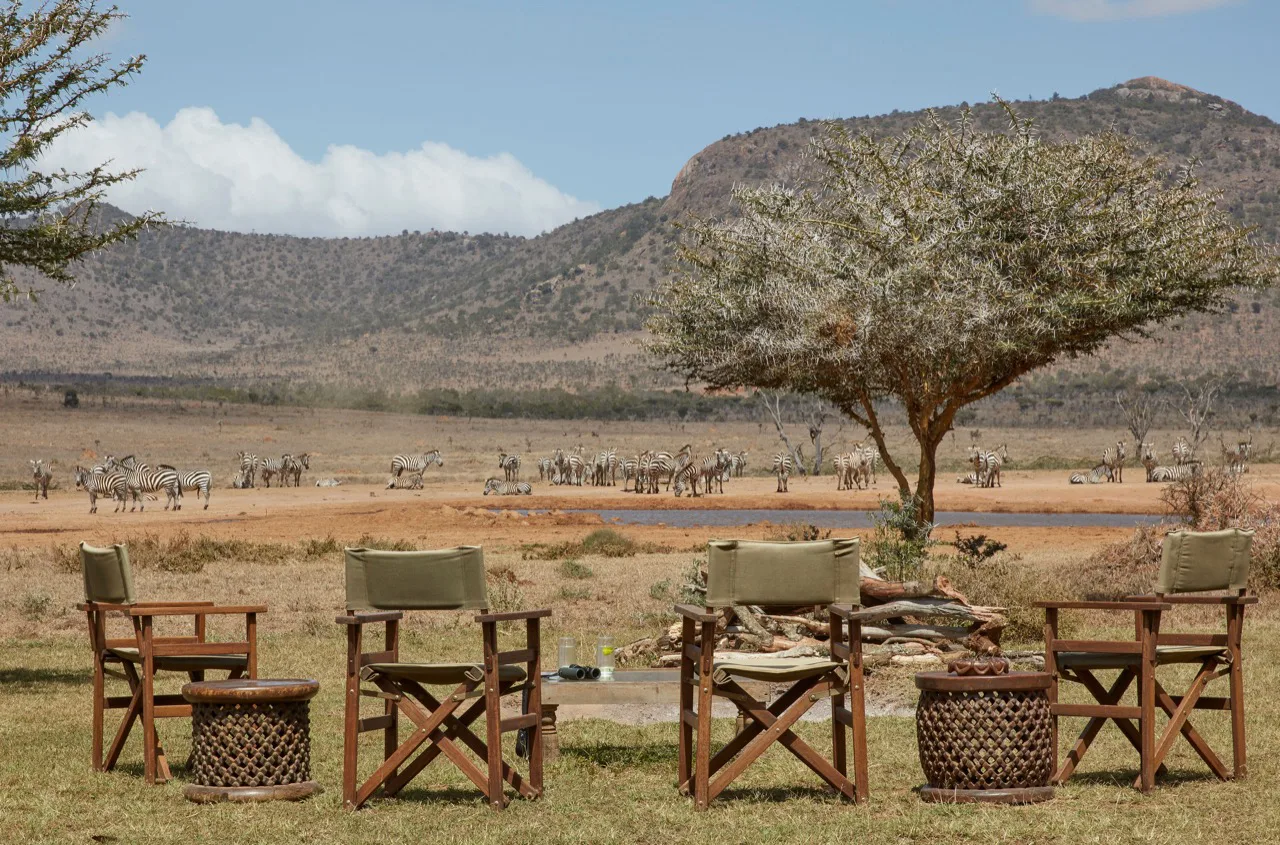
A Wildlife & Yoga retreat organized by Maison You, and led by inimitable founder Laura Bunting, at Enasoit Collection, a private 4,500-acre conservancy in Kenya's Laikipia plateau, which makes the case for doing less in order to feel more.
I will be honest: a safari was not on my radar for my spring agenda. In fact, it was something I had filed away for a honeymoon, or perhaps a family trip over the summer holiday, but certainly not as a solo wellness retreat. Despite this, when Maison You, the London-based personal wellness curation platform I work with as a curator suggested I join their Wildlife & Yoga retreat in Kenya, I immediately jumped at the opportunity to satisfy my endless sense of adventure and curiosity, and to put my seldom used Yoga Teacher Training certification to good use – in the African bush of all places.
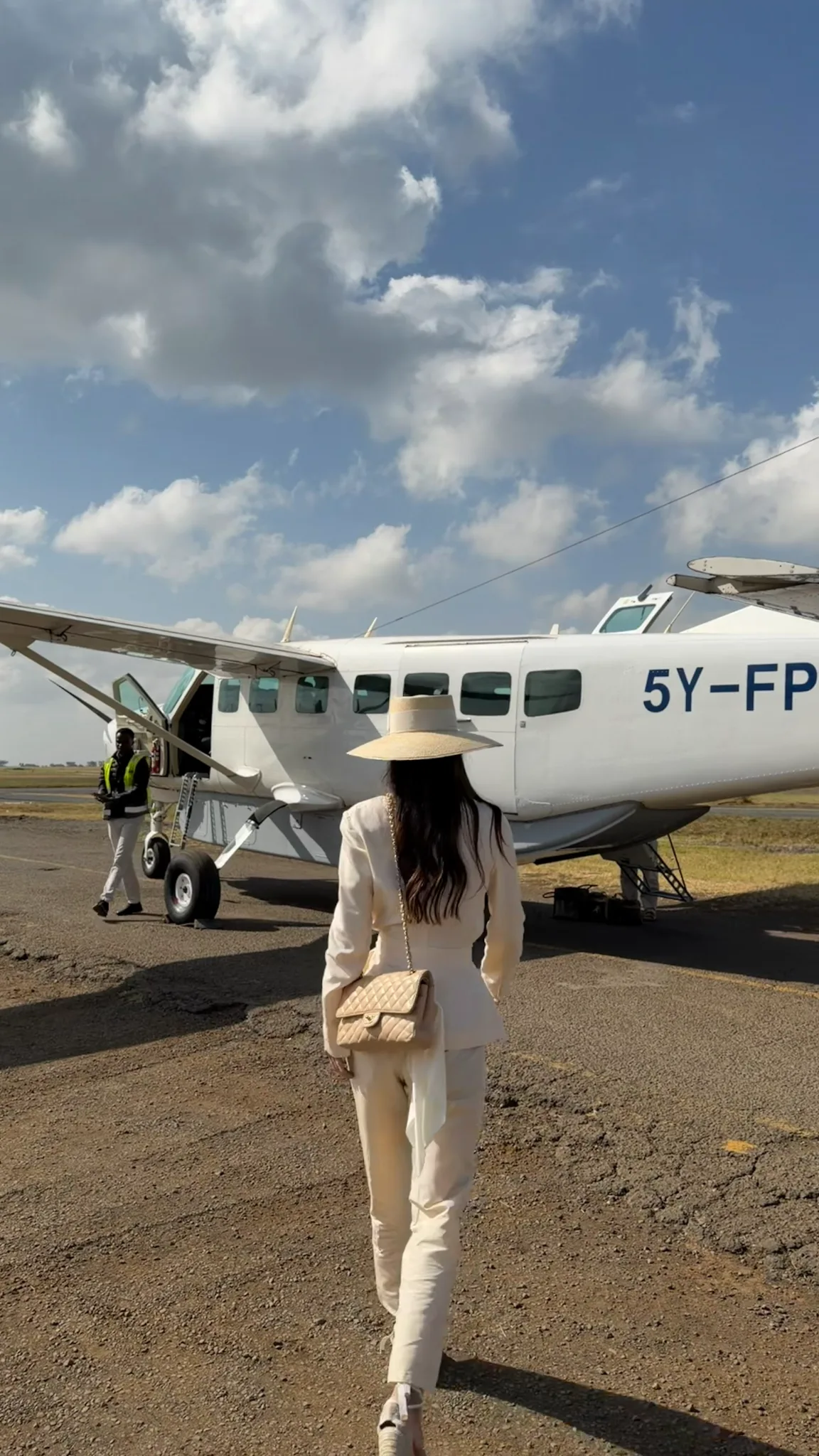
Author Veronica H. Speck boarding the charter flight from Nairobi to Enasoit Collection lodge in Laikipia
Maison You was founded by Natalia Montigny and Stefanie Mach — two women who, after years in demanding luxury careers at brands like Net-A-Porter, Moda Operandi, and Diageo, experienced their own health reckonings and realized there was no trusted guide to help people navigate the overwhelming wellness landscape. The platform fills that gap beautifully: deeply curated, genuinely personal, and committed to experiences that create lasting transformation.
Photography by Teagan Cunniffe
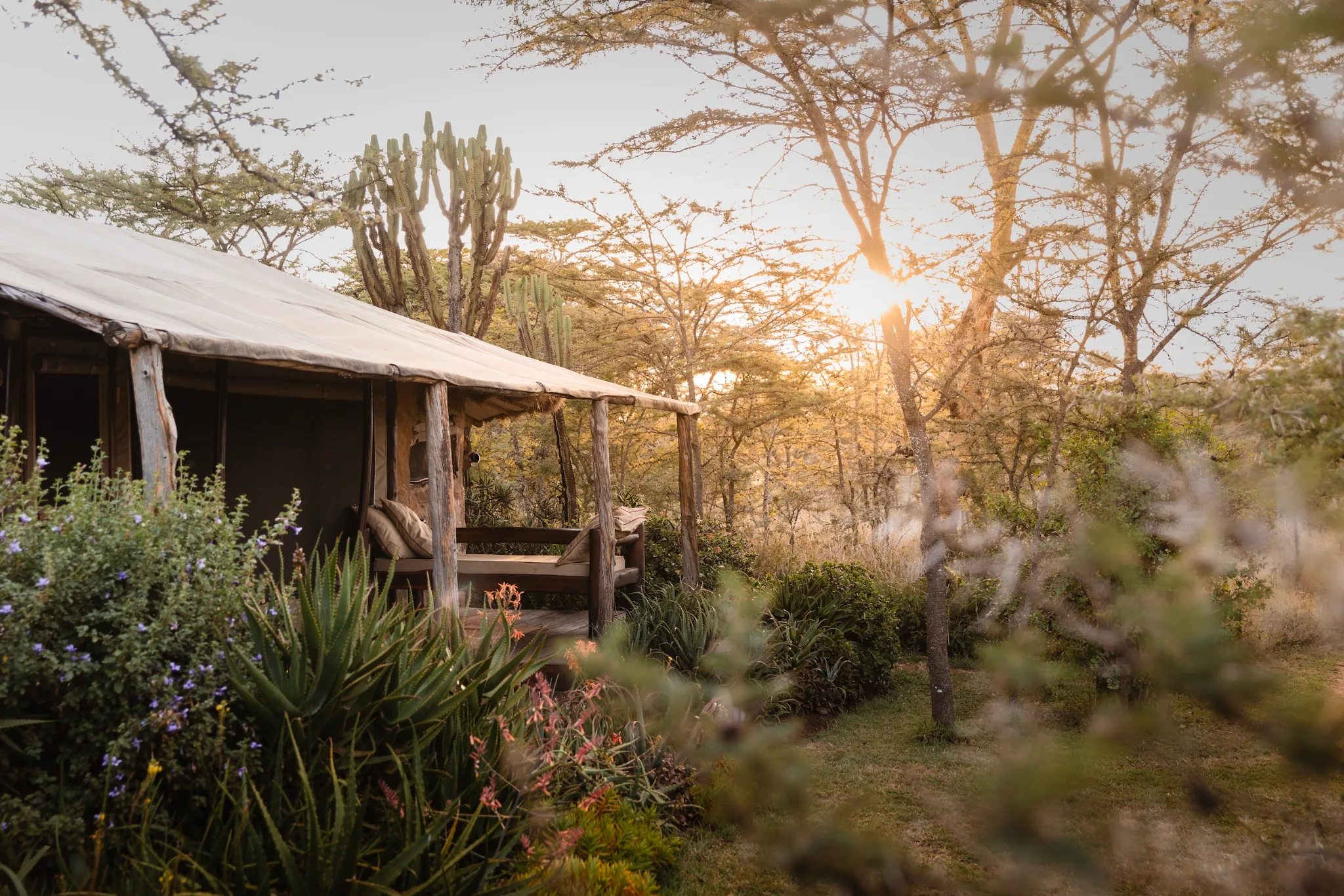
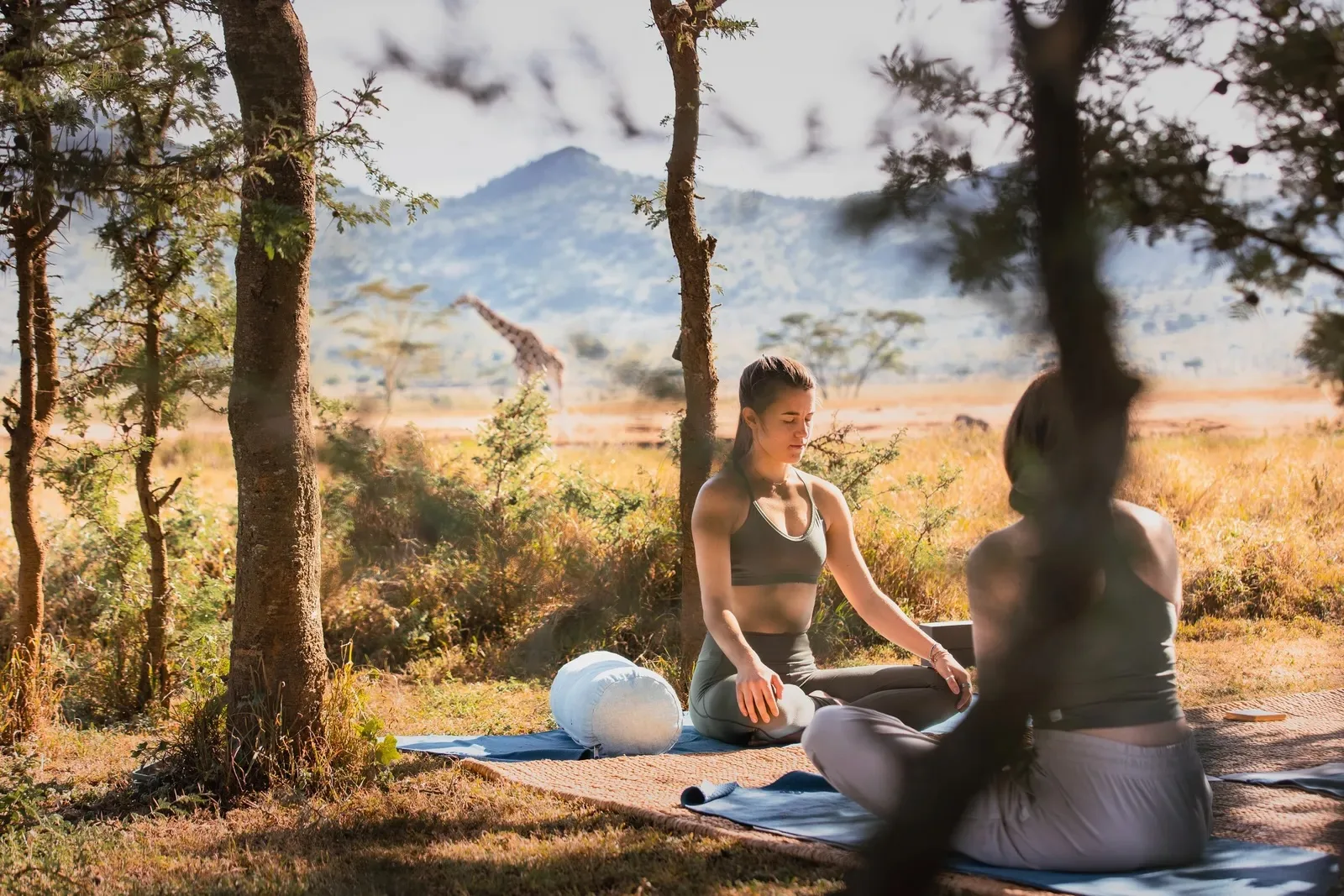
My morning workouts in New York tend to match my job: high-energy, high-output: think Barry’s bootcamp, HIIT, reformer pilates, heavily heated yoga sculpt, and marathon training. What I found in Laikipia was the opposite of all of that, and it was exactly what I needed. Every morning began before dawn — a lion's roar was my alarm clock, shortly followed by hot coffee brought to the tent, which I sipped while dressing by the crackling fire before bundling up in a red tartan blanket and jumping into a 4x4 for a game drive. After the drives, and a healthy breakfast in the bush, Laura led an outdoor yoga class, and more often than not, I was so relaxed I nodded off to the sound of leaves rustling and birds chirping during savasana.
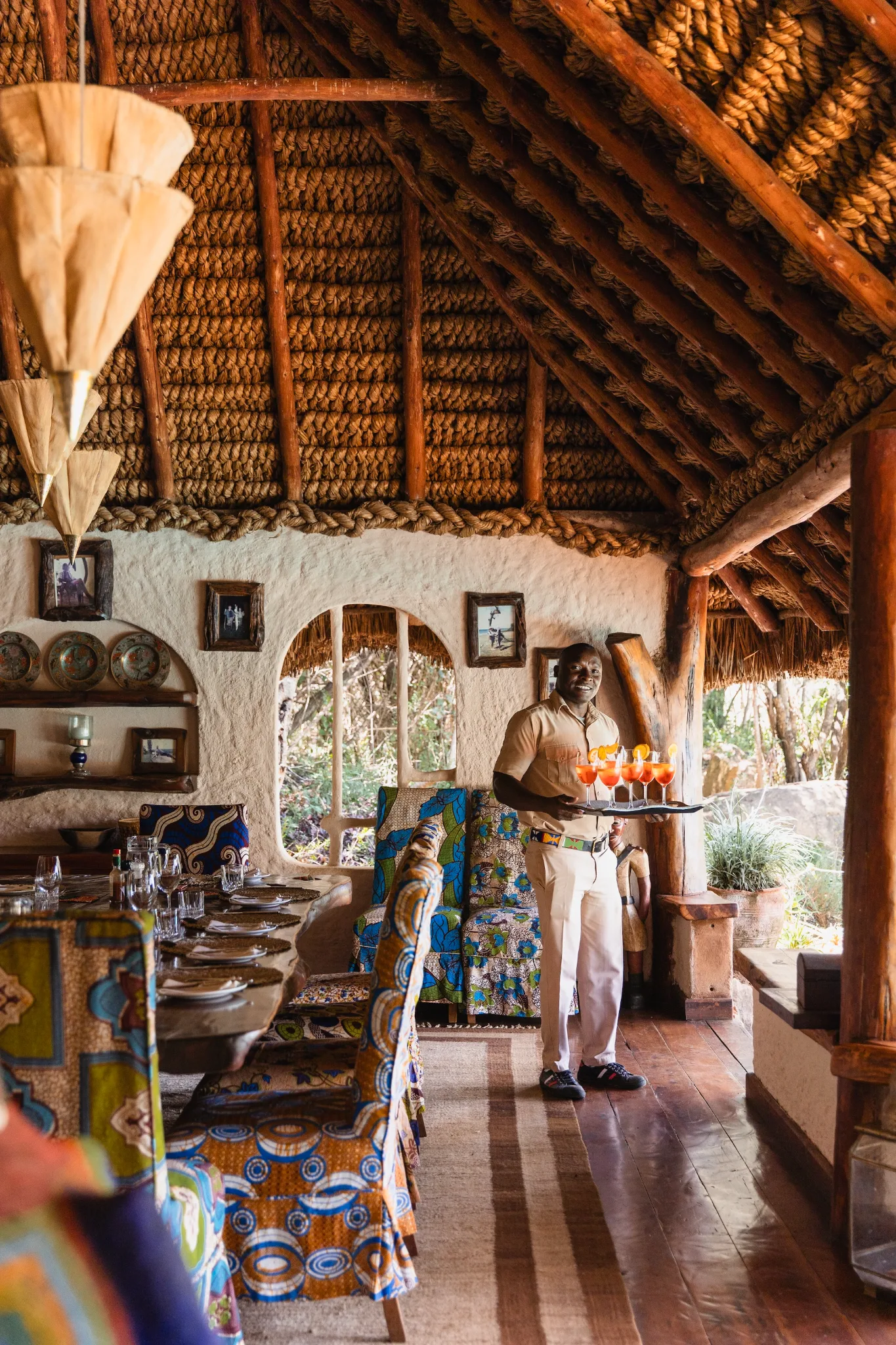
A welcome change to my studio in the city in which an ambulance or car horn often disrupts the flow. Afternoons were deliberately, gloriously unstructured: massages, horseback riding across the plains, reading or journaling by the pool, and watching wild animals graze by the watering hole. Each evening ended with the much anticipated daily sundowner, complete with homemade Dawa cocktails, the undisputed national cocktail of Kenya, translating to “medicine” or “magic potion” in Swahili, and composed of vodka or tequila, lime, brown sugar, and raw honey. Our final evening was especially magical, the Maasai performed a traditional dance for us, after which we drove to Baboon Rock, an aptly named enormous outcrop alive with baboons, for one last candlelit dinner under the stars.
Eight of us arrived in Laikipia as strangers, and left the 45-minute charter flight back to Nairobi as something closer to family. I briefly traded the concrete jungle of New York for the Kenyan plains, and will be forever grateful for the experience to remember a part of myself I had forgotten, and reconnect to my childhood, to nature, to other people, and most importantly to myself. As I awoke on my final day of safari, I thought of the famous line from Ernest Hemingway’s 1935 memoir, Green Hills of Africa, "I never knew of a morning in Africa when I woke up and was not happy.” I couldn’t agree more.
The person who makes all of this possible is Laura Bunting. A British founder who has lived in Kenya for six years, she created Wildlife & Yoga after realizing that the traditional safari model, exhilarating but exhausting, was missing something essential. What she has built is thoughtful, conservation-driven, and genuinely unlike anything else in the wellness travel space. Below, I sat down with her to talk about wildness, stillness, and why less is the only luxury that lasts.
Photography by Teagan Cunniffe
The Design Release: What first inspired you to create Wildlife & Yoga?
Laura Bunting: When I first visited Kenya and immersed myself deep into the wilderness, I absolutely loved every moment. It was a life-changing experience, just being in these vast, untouched landscapes. However, with how traditional safaris operated, I found myself with a sore back, exhausted from the long days. I began thinking about how much yoga would complement these incredible experiences. Not just on a physical level — practising asanas to recover from the bumpiness of the car — but slower mornings and days, more mindful moments, connection with other people about how they were interpreting the experience, meditation instead of a nap. And finally, food that nourishes rather than fills you up.
Photography by Teagan Cunniffe
The Design Release: How does practising yoga in the wild differ from a studio or resort setting?
Laura Bunting: It could not be more different. When I first started teaching yoga, my playlist would tie my class together — I love music. Now, music sounds so wrong when you can listen to the trees shaking in the wind and the birds singing. You practice being present on a whole new level. The wilderness also dictates our whole day; my guests have to practise non-attachment and learn to go with the flow, which is easier said than done.
Photography by Teagan Cunniffe
The Design Release: What happens to the nervous system when we are immersed in nature?
Laura Bunting: Your body naturally adjusts, slows down — you can feel your nervous system shift. You don't need any special LED mask, or positive affirmations, or all the additional modern wellness apparatus. Our retreats are actually about less, and your body reacts so well to it. When you land there's an instant energy shift, and when you return home I guarantee you will have a whole new perspective. You will be longing for rich nature for a very long time, because it just feels exactly how you are meant to feel.
The Design Release: How do wildlife and yoga speak to each other philosophically?
Laura Bunting: Wildlife could not be more present, and yoga teaches you to be here, in the present moment. What we teach through yoga, wildlife already does — it's natural, instinctive. I also notice animals feel calmer around us when we are in a retreat setting. It's as if they know they are around calm, relaxed humans. I have had some of the most incredible wildlife experiences of my life whilst on these retreats.
The Design Release: How does the retreat support wildlife conservation in tangible ways?
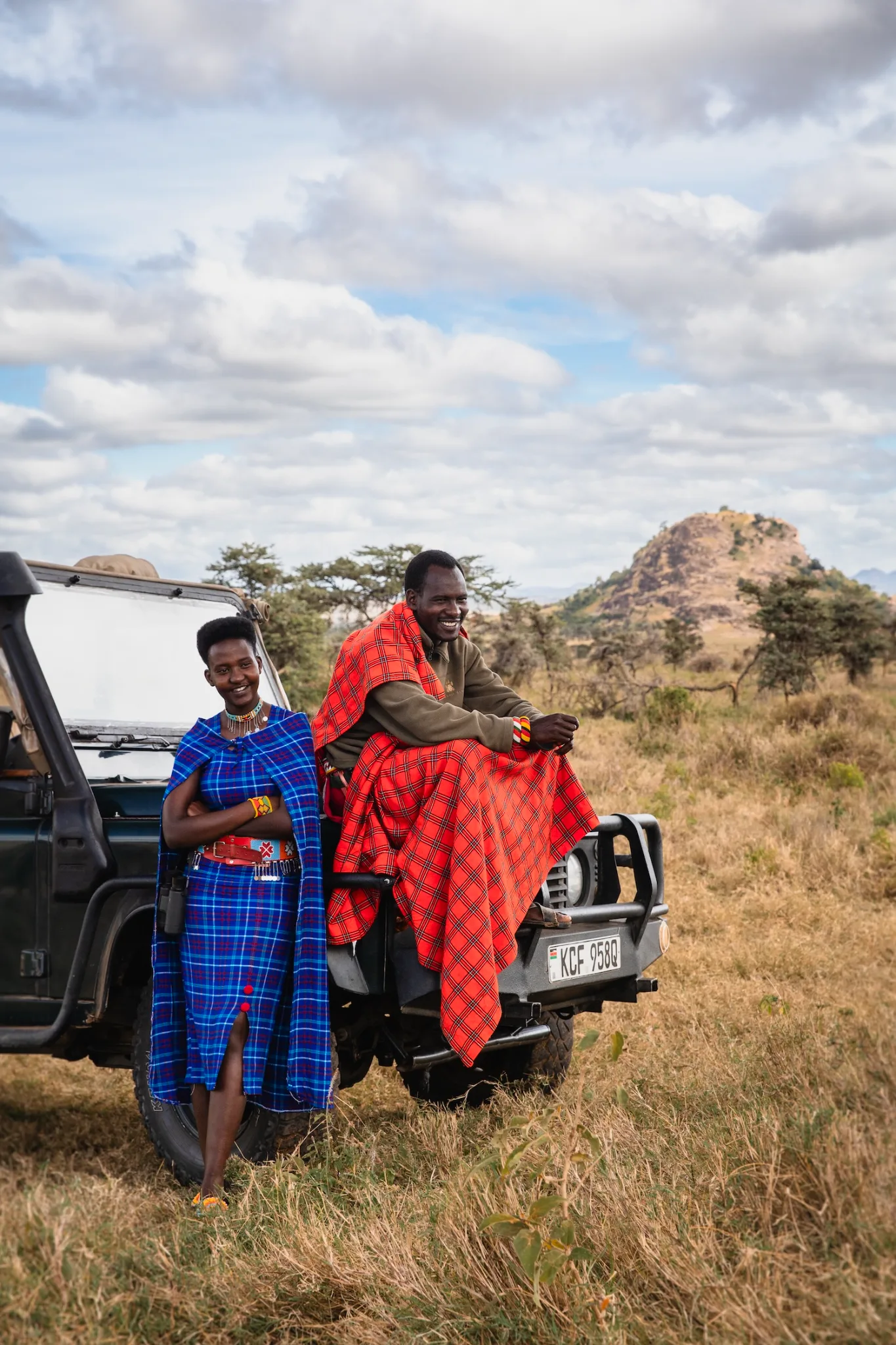
Laura Bunting: Conservation is a very important value to me. I only choose locations that have conservation initiatives. Enasoit, for example, is a vital wildlife corridor which connects various different conservancies and national parks for wildlife to travel between. They also support the local community, educating them on the importance of conservation, planting trees that elephants have destroyed, and supporting injured animals by working with local vet units. They have a really small footprint too. When you fly over Enasoit, it’s actually really difficult to see where the camp is! Enasoit is also an exclusive-use property and conservancy. There are no other guests there when we are there, no over-tourism, no crowding animals, and their guides are trained and carry the same love for wildlife as we do. Enasoit also hires guides from the local community, meaning you can learn from people who have grown up in this area of Kenya and have deep roots here. If Enasoit didn’t exist as a protected wildlife corridor it would have such a negative impact on the migratory paths of wildlife.
Photography by Teagan Cunniffe
The Design Release: What does "conscious luxury" mean to you?
Laura Bunting: For me it means space, fewer people, and a bespoke experience. Enasoit is 4,500 acres, and when you’re on retreat with us, the whole camp is ours. Want to go on an early morning game drive? You can. Want a massage? You can have one. Then you head back to a comfortable bed with soft linens and enjoy your favourite wine (or tequila, if you’re me). And it’s a small canvas camp, family-owned and lived-in. Not a huge chain hotel where you collect points for a discount next time. The footprint on the planet is small too, which matters just as much. You become part of the family, part of the story, and you’ll be longing to return. Most of my guests do.
The Design Release: Walk us through a typical day.
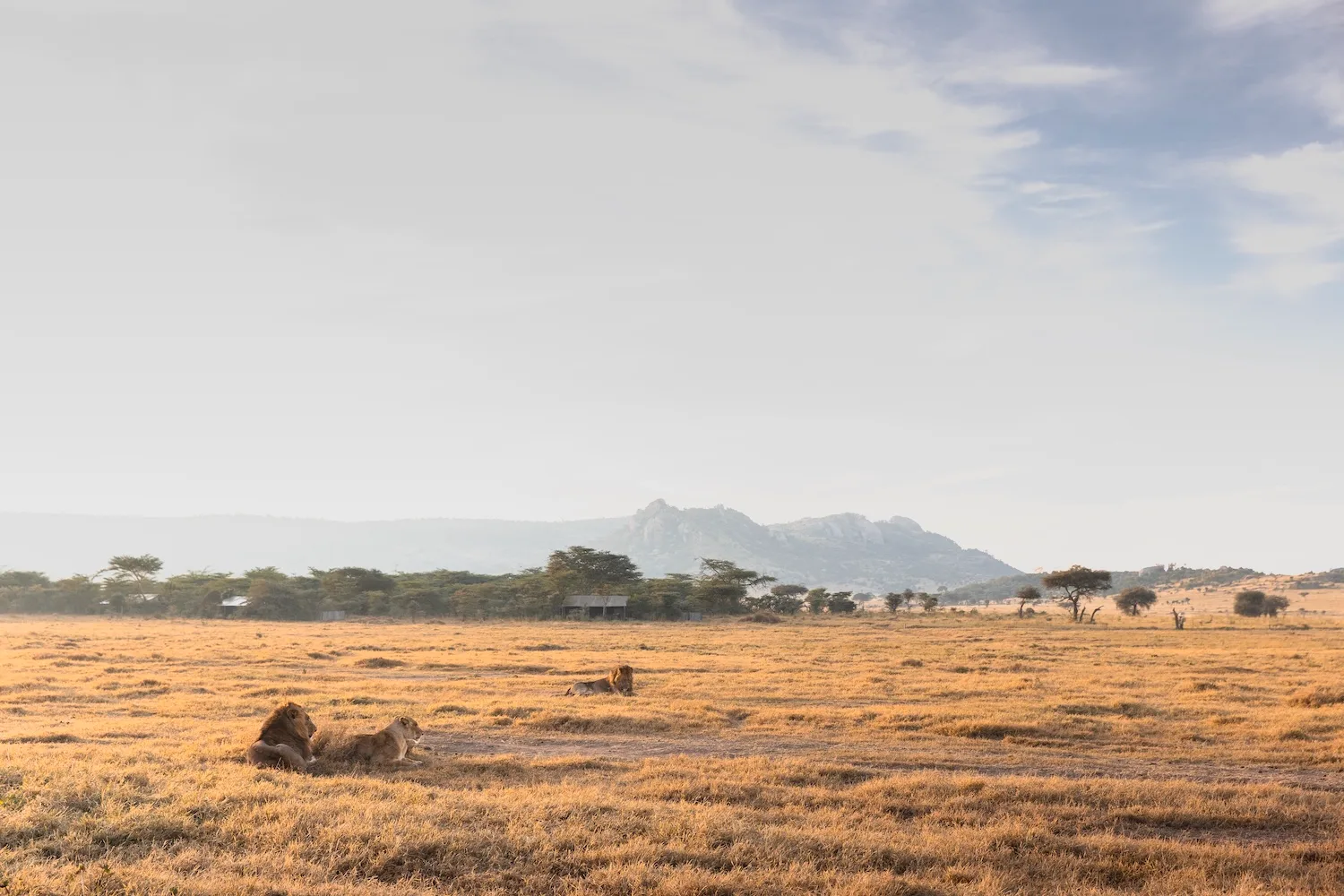
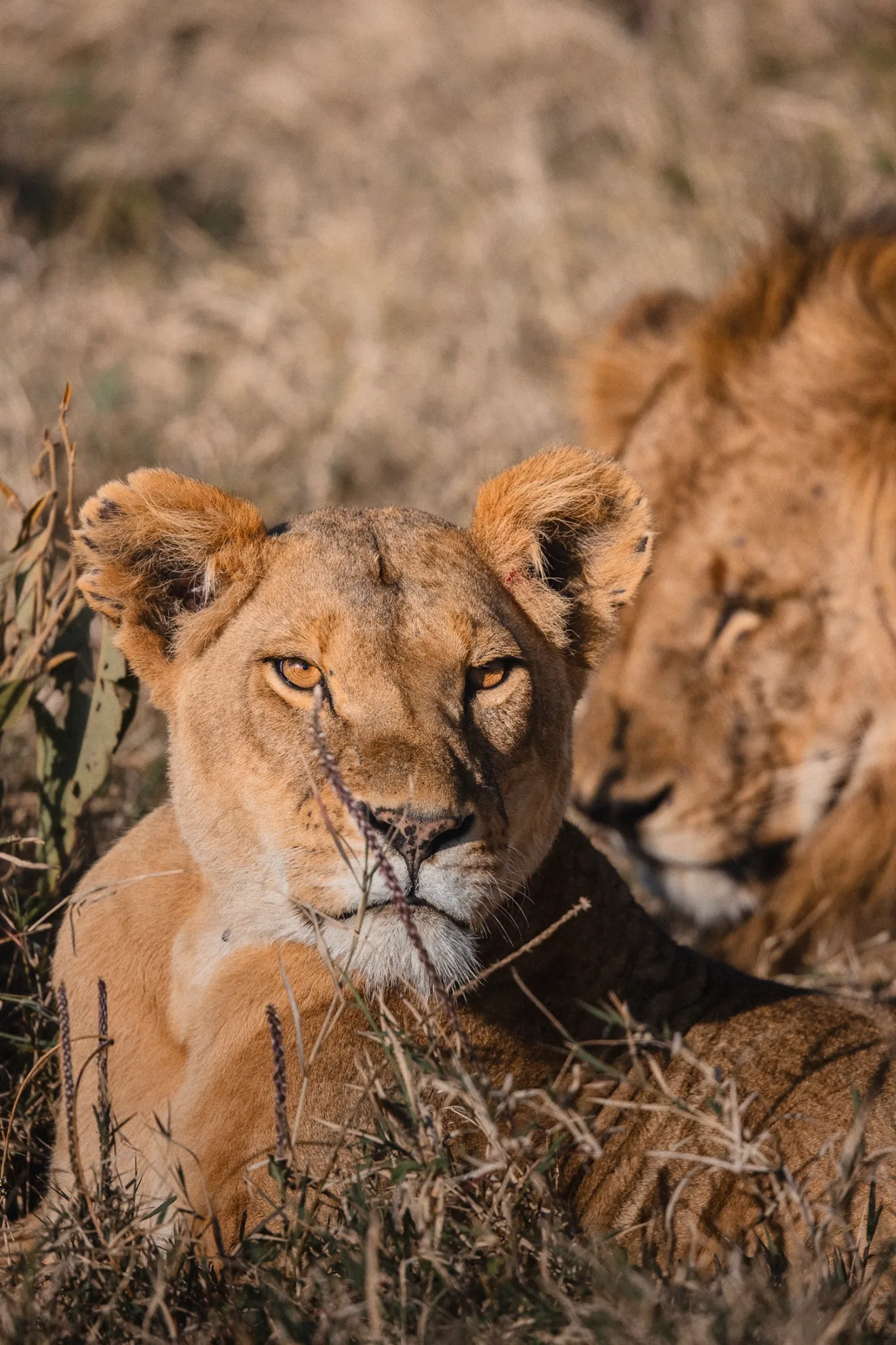
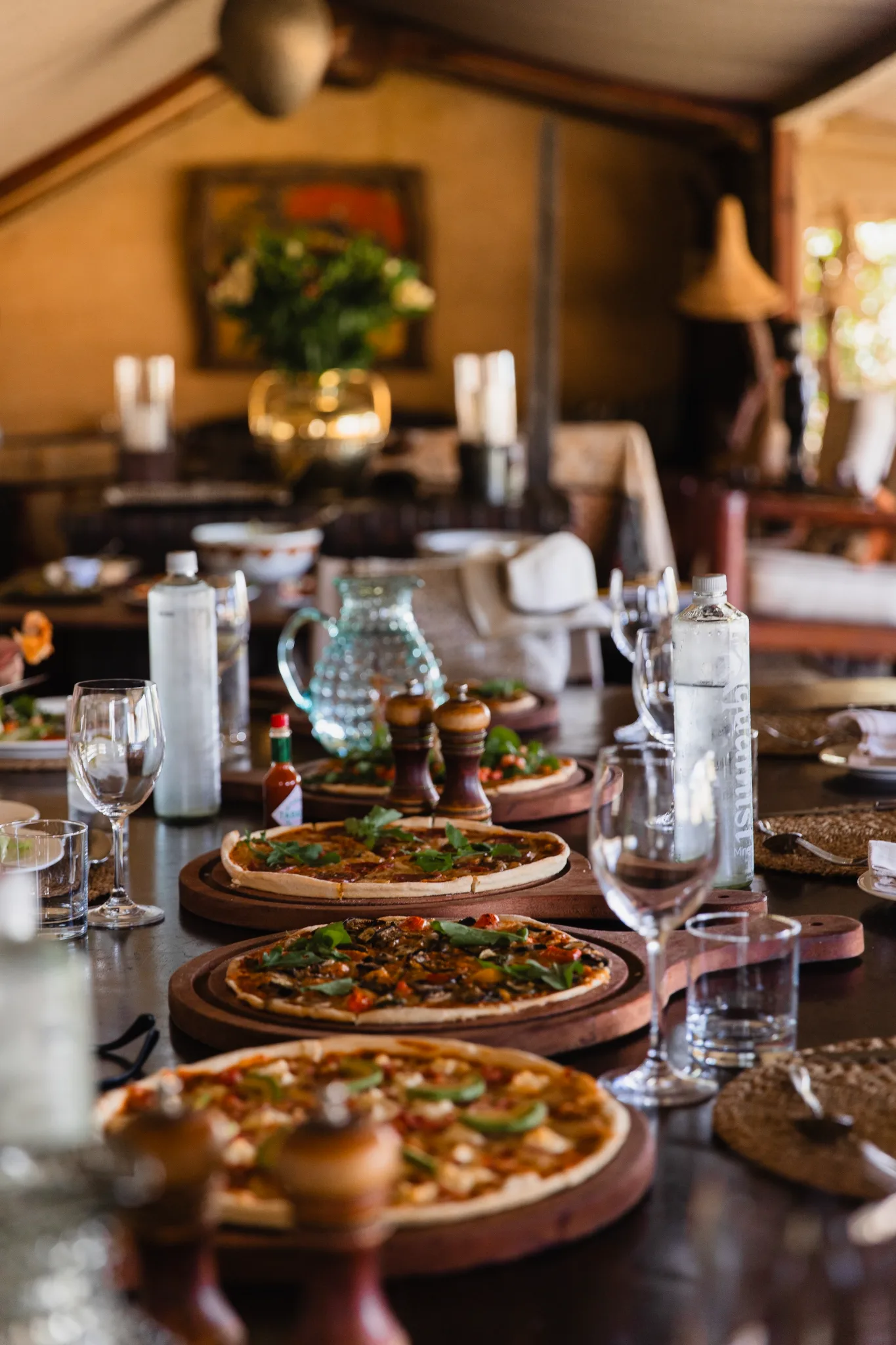
Laura Bunting: You wake before sunrise (if you wish, there’s always the option to stay in bed), often to the sound of something wild outside your tent, or a hot tea being brought to your room. Many guests opt for the sunrise game drive, as this is when the predators are most active. Enasoit is known for its “resident lions”. Then, when everyone’s back in camp, I often lead a vinyasa yoga class to adjust the post-game-drive body (if you know, you know), as well as to come back to the present moment after all the excitement of the drive. Breakfast is straight after yoga. Afternoons are deliberately unstructured: rest, read, journal, swim if there’s a pool, massage, horseback riding, cycling. Because our retreats are small and only the retreat group is in camp, you have freedom to do what you fancy. That might be horse riding with a friend you booked the retreat with, or, if you travelled alone, maybe you go for a massage and then a silent wilderness walk with one of the guides. Late afternoon, we often do a second, more restorative practice such as a Yoga Nidra, led by me. Then we go for a silent walk around the conservancy, next to giraffe and zebra, ending by watching the sunset, followed by a candle-lit dinner. There’s always the option of a night game drive for those who would like to go and see what nocturnal activity is happening.
The Design Release: What surprises guests most?
Laura Bunting: The feeling of being on safari. I think people expect to go out searching for the Big Five and the adventure, which is definitely there. But it's the benefits of living with the rhythm of the wild that really have a big effect on guests.
Photography by Teagan Cunniffe
The Design Release: What shifts do you witness in guests by the end of the week?
Laura Bunting: I think we can get really caught up in our own universes and ecosystems. Being in the wilderness changes your perspective. Everything is imperfect and wild and grand. You meet and connect with people who live so differently to you, you hear their stories, you learn from them. You watch the animals, how they interact, how they connect, their intuition, and it unlocks something inside of people.
The Design Release: What do you hope they carry home with them?
Laura Bunting: Awe for our beautiful earth and all the wildlife that call this place home. I also never encourage escapism. Yes, I went on holiday and never returned home, but whenever I travel, or go back to the UK, I appreciate the trees, the birds, the insects so much more. Everything is important and needed, and being in the wilderness really reminds you of that. I also hope that people return with the feeling that they have everything they need within them. They don’t need to constantly “heal”. Come back to nature, and you’ll come back to yourself.
The Design Release: Do you believe nature can be a healer?
Laura Bunting: Without question. I've seen it too many times to doubt it. I think nature doesn't heal by doing something to change you — it heals by reminding us of what we already are. We are a part of this. We are, underneath all the noise and technology and ambition, just another animal who needs clean air and open sky and real connection. When we return to that, things just feel right. Nature teaches us that in stillness you can see and feel so much more.
The Design Release: If you could describe the retreat in one sentence, what would it be?
Laura Bunting: "Coming home." As the old proverb goes, "Once you have the dust of Africa on your shoes, you will never shake it off.” I certainly haven’t yet, and long to return home.


