
Erik Munro is a London-based designer whose work blends romance and atmosphere with a strong understanding of how domestic spaces should function. In this conversation with TDR, he reflects on what he learned adapting to British homes, how he thinks about romance in practical terms, and why lighting, layering, and proportion matter so much.
Munro shares his approach to colour, the books and references he returns to, what he values in his own home, and why he is less interested in the idea of “timeless” interiors than in creating spaces that feel personal, warm, and lived in.
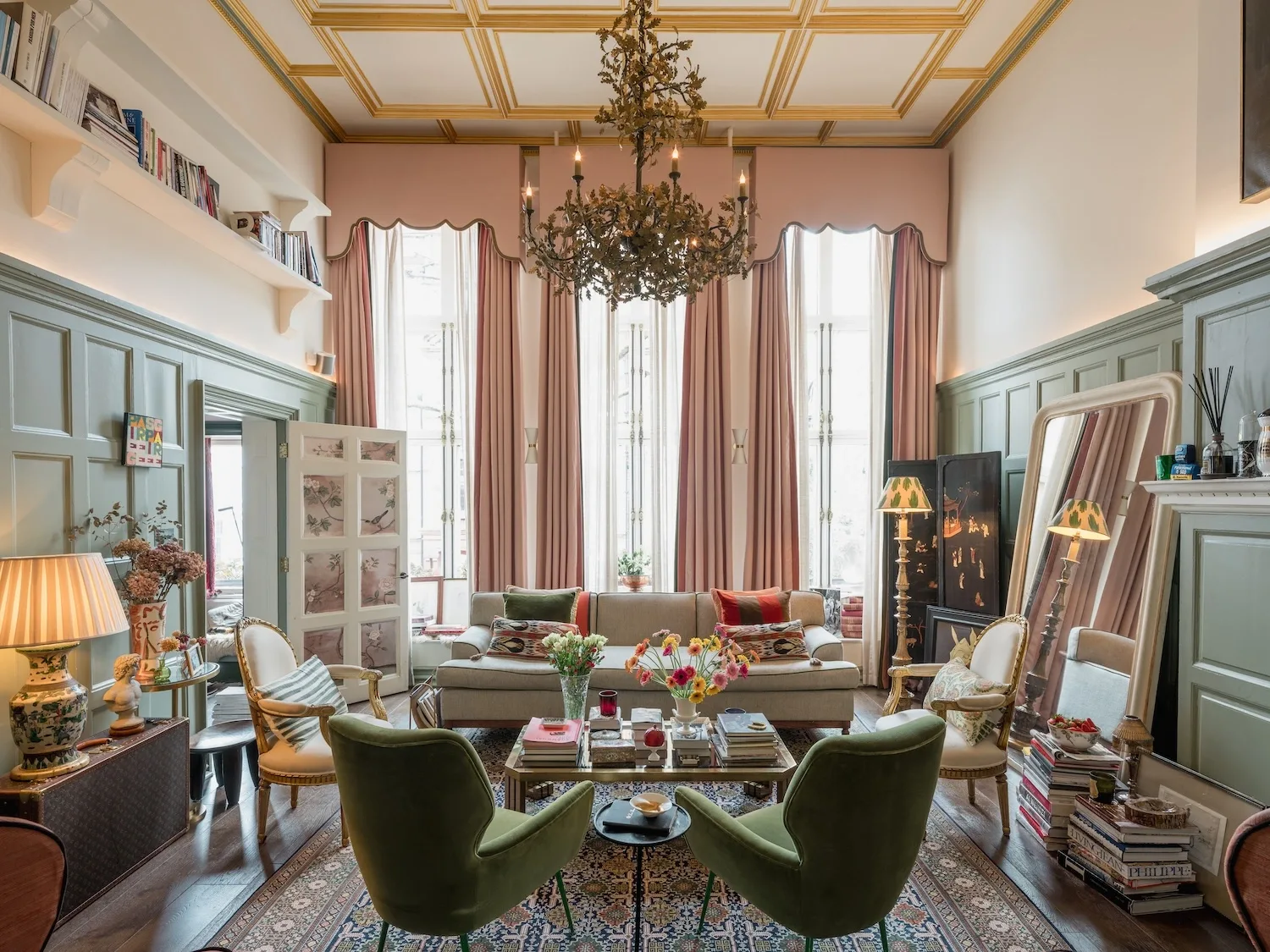
The Design Release: You’re Canadian, but your work often reads as fluent in British domestic architecture. What did you have to learn about the British idea of “home” once you started working here?
Erik Munro: Growing up on Vancouver Island, I was surrounded by nature, space, and light, whereas British homes are often more compact and steeped in history. What I had to learn quickly was the importance of proportion and period detail in the UK. Georgian panelling, Victorian dado rails, ceiling roses, and traditional fireplaces: these aren’t just decorative, they shape the way a room feels and can help guide the design.
TDR: You’ve said romance is at the heart of your work. What does “romance” actually mean in an interior - in practical terms?
EM: Romance is about depth, softness, and atmosphere. At Munro, we have a penchant for intricate layering, combining warm, tactile materials to craft an inviting, romantic feel. Lighting and layering are paramount. You need a strong base, then many added layers, and finally it all needs to be cleverly lit with indirect, soft light. A well-designed interior should evoke a feeling: you enter the room and feel a change right away, or a well-used favourite room can unearth old, warm memories.
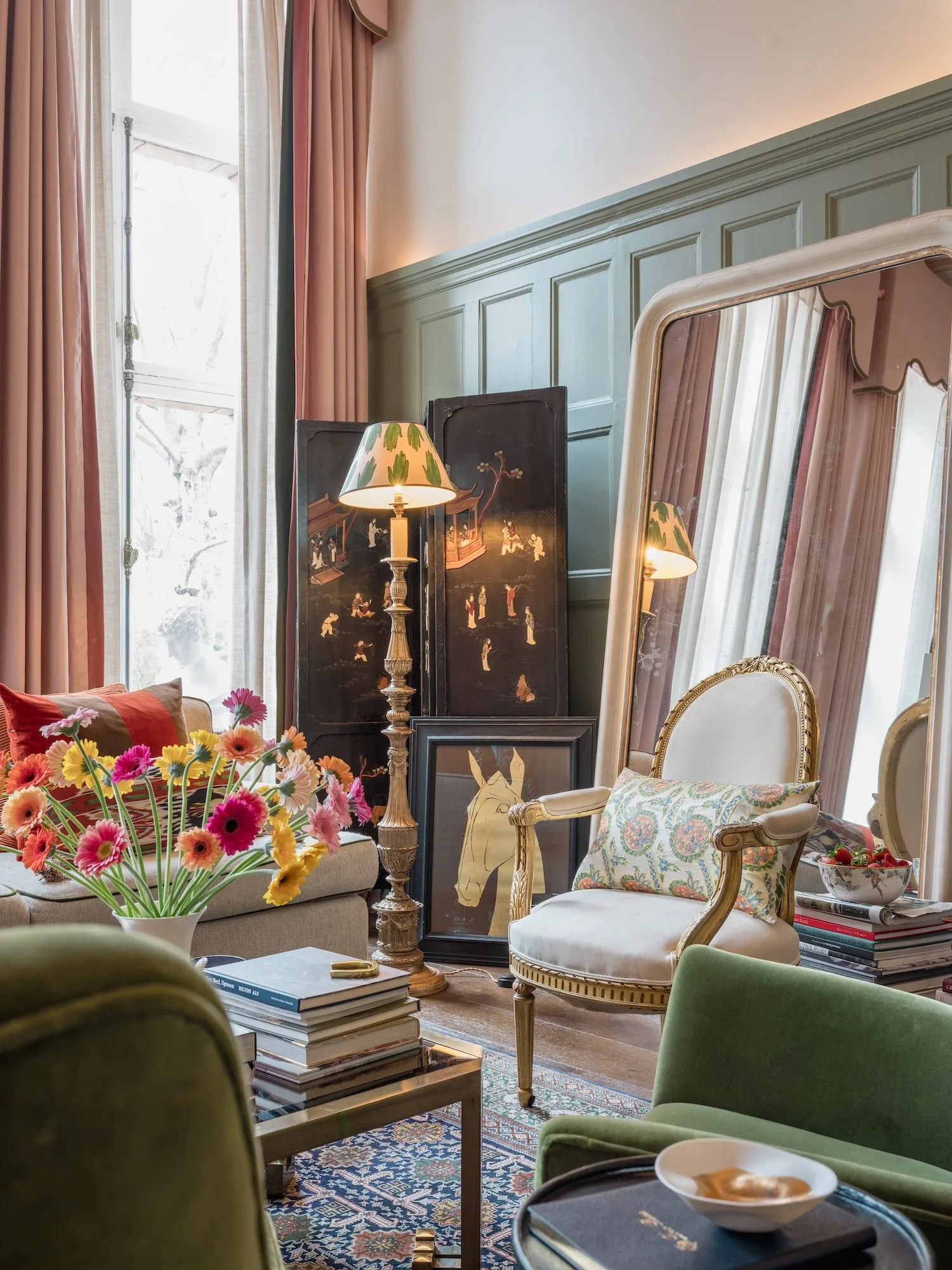
TDR: What’s one small change that reliably makes a room feel more “romantic”?
EM: Lighting. Always lighting. You can transform a space instantly by layering it: replace harsh overheads with softer, indirect sources like warm bulbs, table lamps, wall sconces, and even candles.
TDR: For someone intimidated by colour, what’s a low-risk way to start that still makes a meaningful impact?
EM: If there’s a colour that strongly resonates with you, be bold and use it. This is something I say to clients a lot: you can play it safe, and you’ll be happy enough. But if you take a design leap, you could be ecstatic because it looks amazing. It’s worth stepping outside your comfort zone.
Colour can look different from room to room depending on the light, so it’s important to try it on the wall for at least a day before making a final decision. You might have an amazing colour, but it can read much darker or lighter in the room you intended.
If you want to use colour without it feeling overwhelming, stick to three colours. Find a base colour and build accents off that. You can use also use variations of the same colour to add texture and interesting layers.
TDR: What are your most-used resources when you’re designing - books, magazines, museums, online archives - that you return to again and again?
EM: I tend to look to experienced designers who have gone before: the masters of space and form. We’re lucky that today we have so many resources right at our fingertips. I also find endless inspiration in patterns in nature: light dappling through trees, sand under waves, and so on.
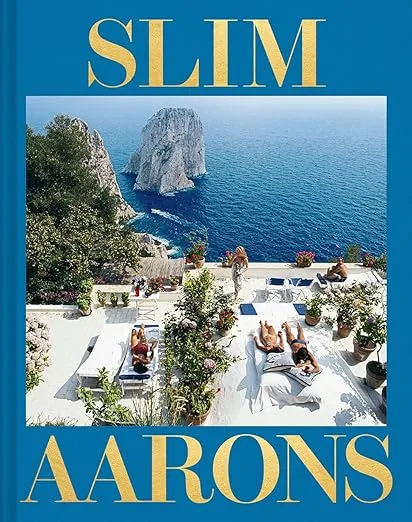
Slim Aarons: The Essential Collection
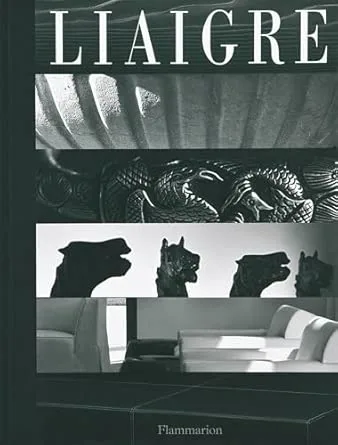
LIAIGRE
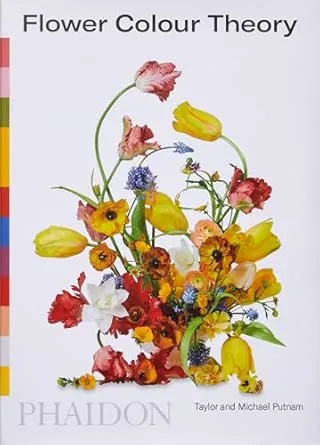
Flower Colour Theory
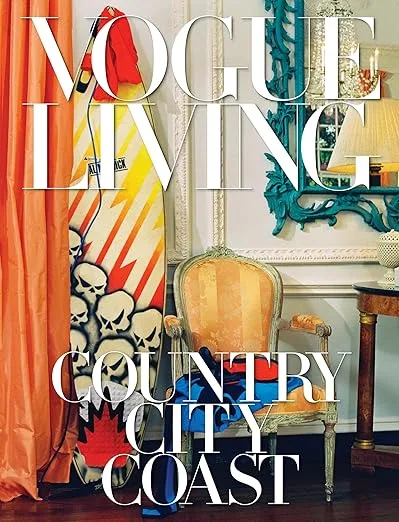
Vogue Living
TDR: What is your favourite piece of furniture in your own home?
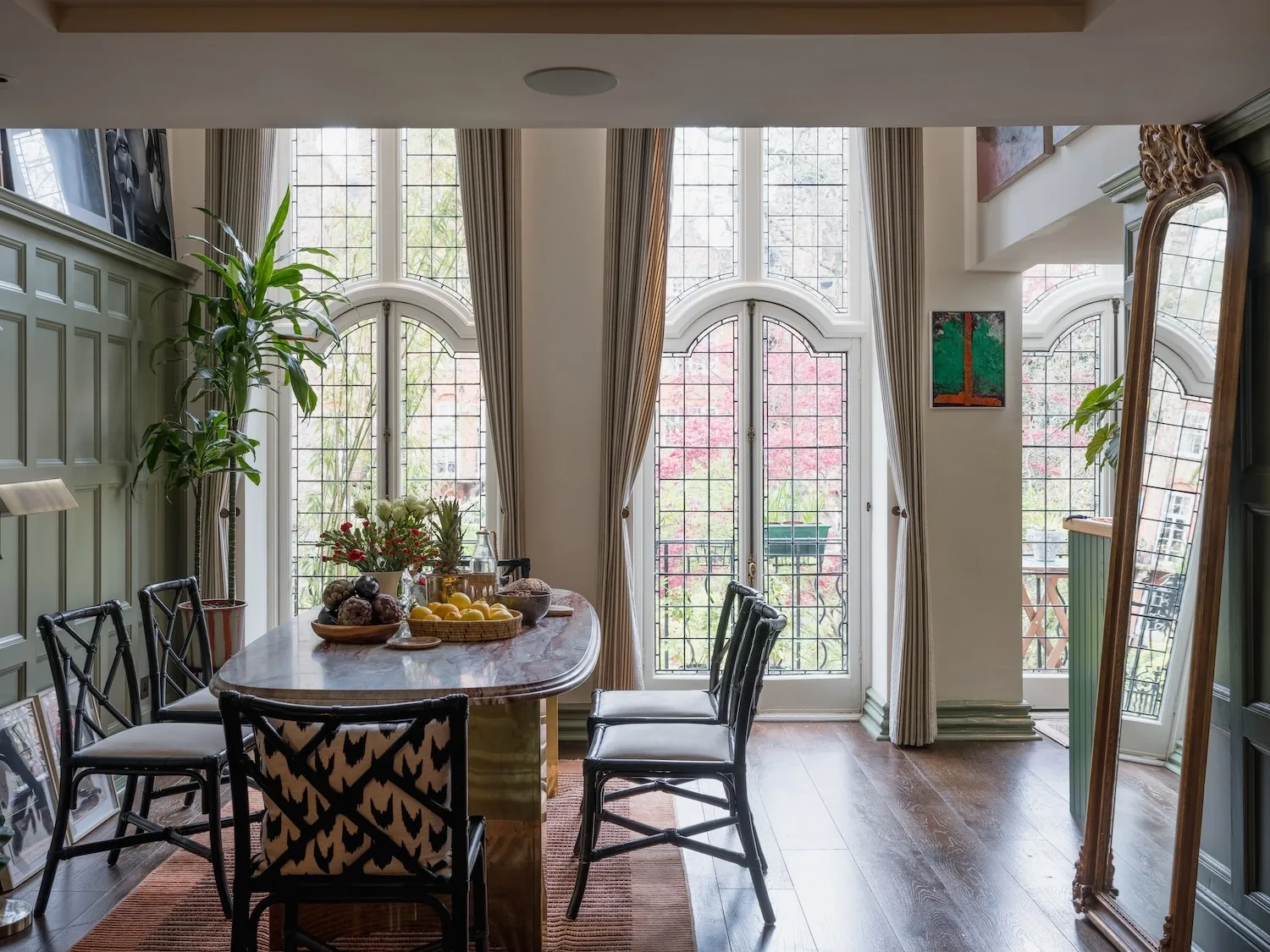
EM: My Sé Collections ceramic and marble dining table. It’s just so lush.
TDR: Is there something you collect?
EM: I have a sweet little antique Chinese timber head pillow that my youngest daughter uses to sit on while she takes her shoes off.
TDR: What’s something you’re tired of seeing in interiors, and what are you excited about again?
EM: I don’t love it when people talk about “timeless” design. I don’t think anything really is. Styles shift, we change, and that’s okay. The best way to create longevity is to pay attention to proportion. Look at classical references - Georgian panelling, Victorian dado rails, even mid-century three-quarter wall heights -- and let the age of the property guide you.
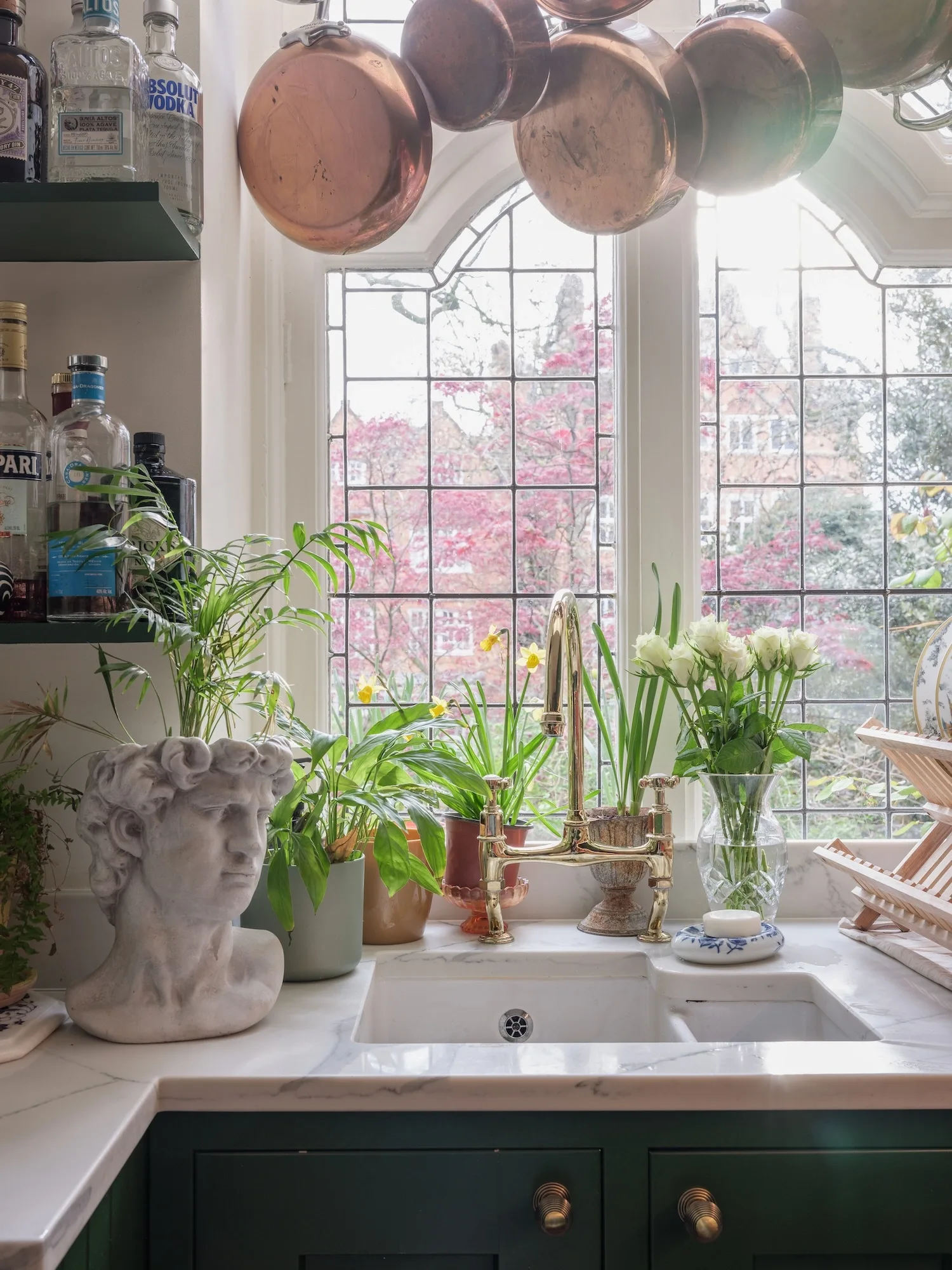
I’d avoid overly bright or trendy colour schemes that you might love in year one but tire of by year five… but then again, I love a colourful kitchen. My real advice is: be bold, choose what you love now, and don’t be afraid to change it later.
TDR: If a reader lives in a traditional British home (or wishes they did), what’s your advice for making it feel more personal and romantic without renovating the whole thing?
EM: You don’t need to renovate to create romance. Start by setting a scene: use lighting, texture, and layering. Position mirrors opposite windows to amplify natural light. Let in as much daylight as possible. And above all, create spaces that feel deeply personal. Romance at home comes from atmosphere, warmth, and the story you’re telling through your objects.
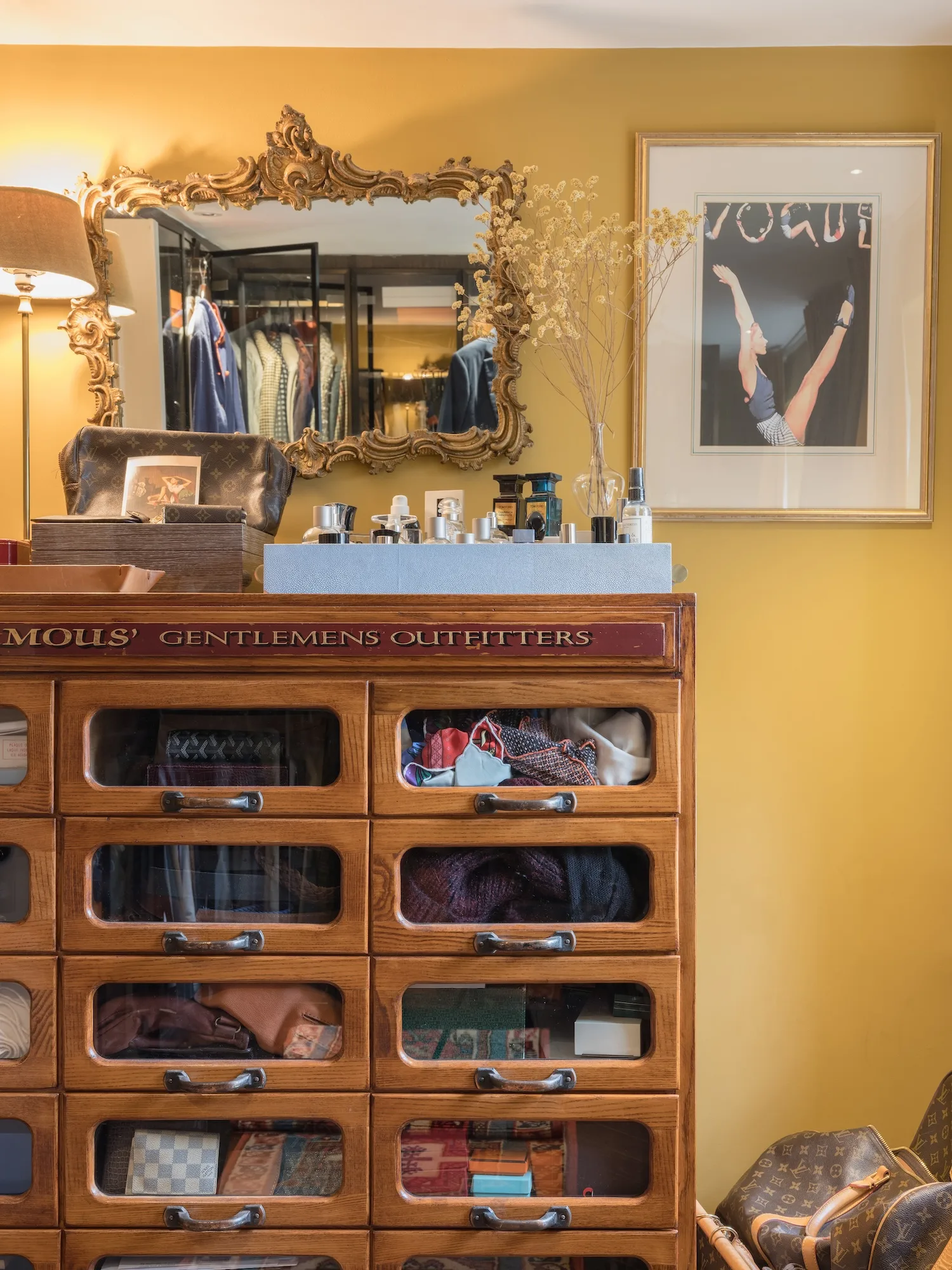
To see more projects by Munro, visit their website, or follow Erik here.
Photography by Freddie Marriage


