
Milan Design Week 2026 felt particularly expansive this year, with the continued influx of large-scale activations shaping the city’s atmosphere. While the week remains unmatched in its ability to convene the global design industry, the most compelling moments were often found away from the crowds, in more intimate environments where design could be experienced with greater clarity.
Across the city, a number of exhibitions explored this domestic or human-scaled dimension, offering a counterpoint to the spectacle.
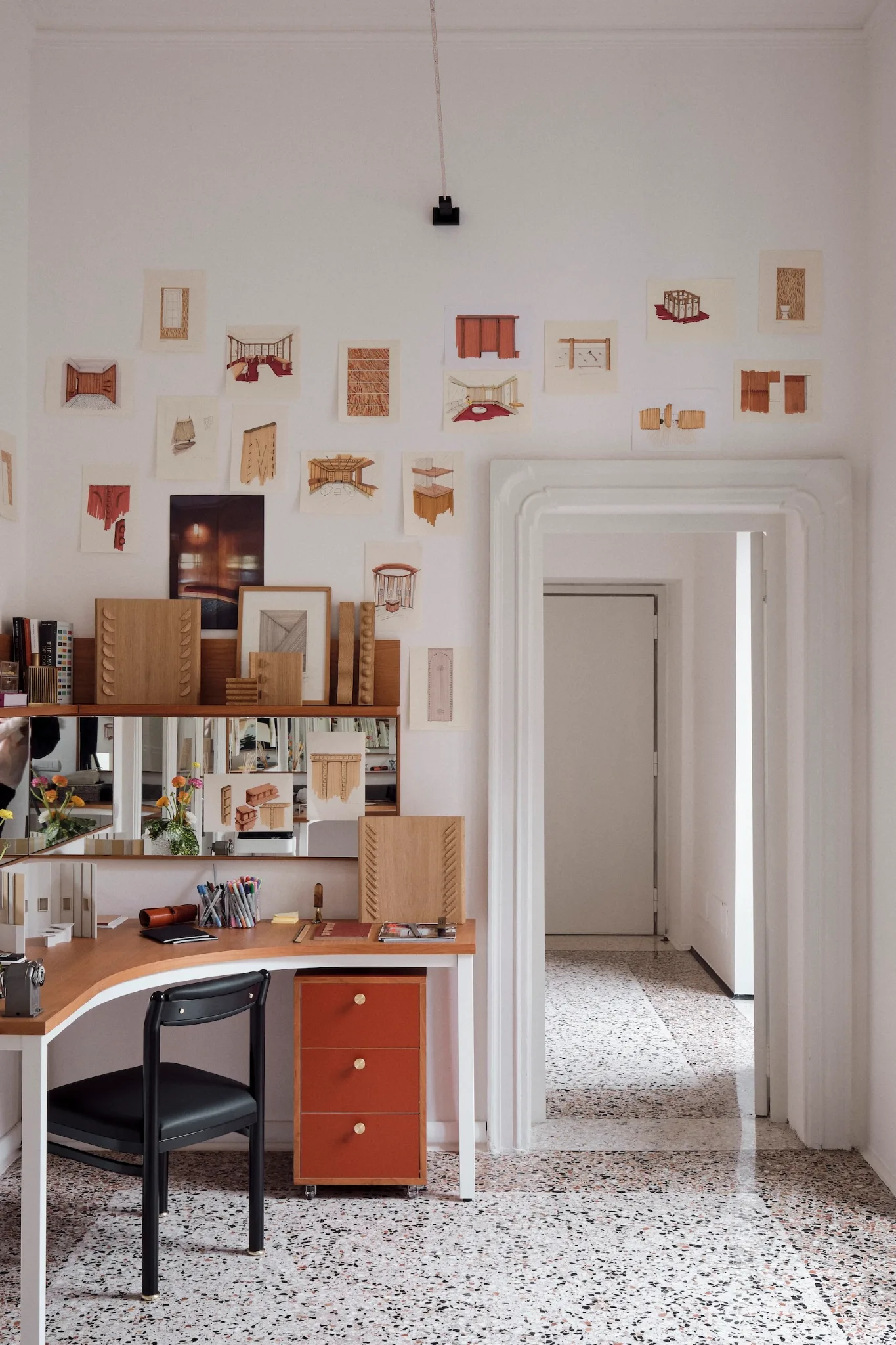
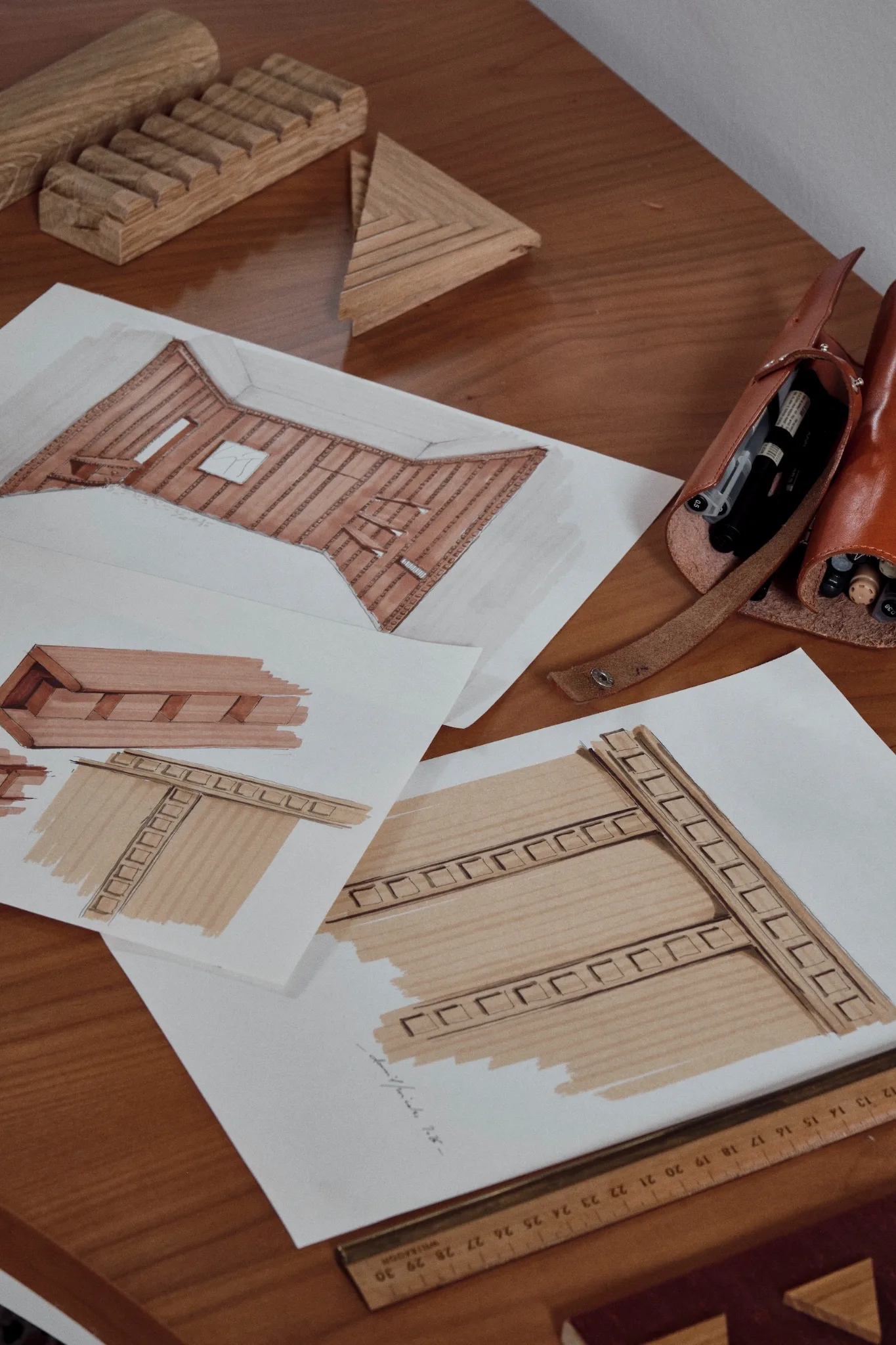
david/nicolas' La Boiserie. Photography by David Raffoul
A visit to the offices of david/nicolas set the tone. The duo presented La Boiserie, a collection of decorative wood paneling that transforms traditional architectural elements into contemporary surfaces. Installed within their own workspace, the presentation felt restrained and precise, allowing the material itself to take precedence. The setting reinforced the project’s intent as both display and application.
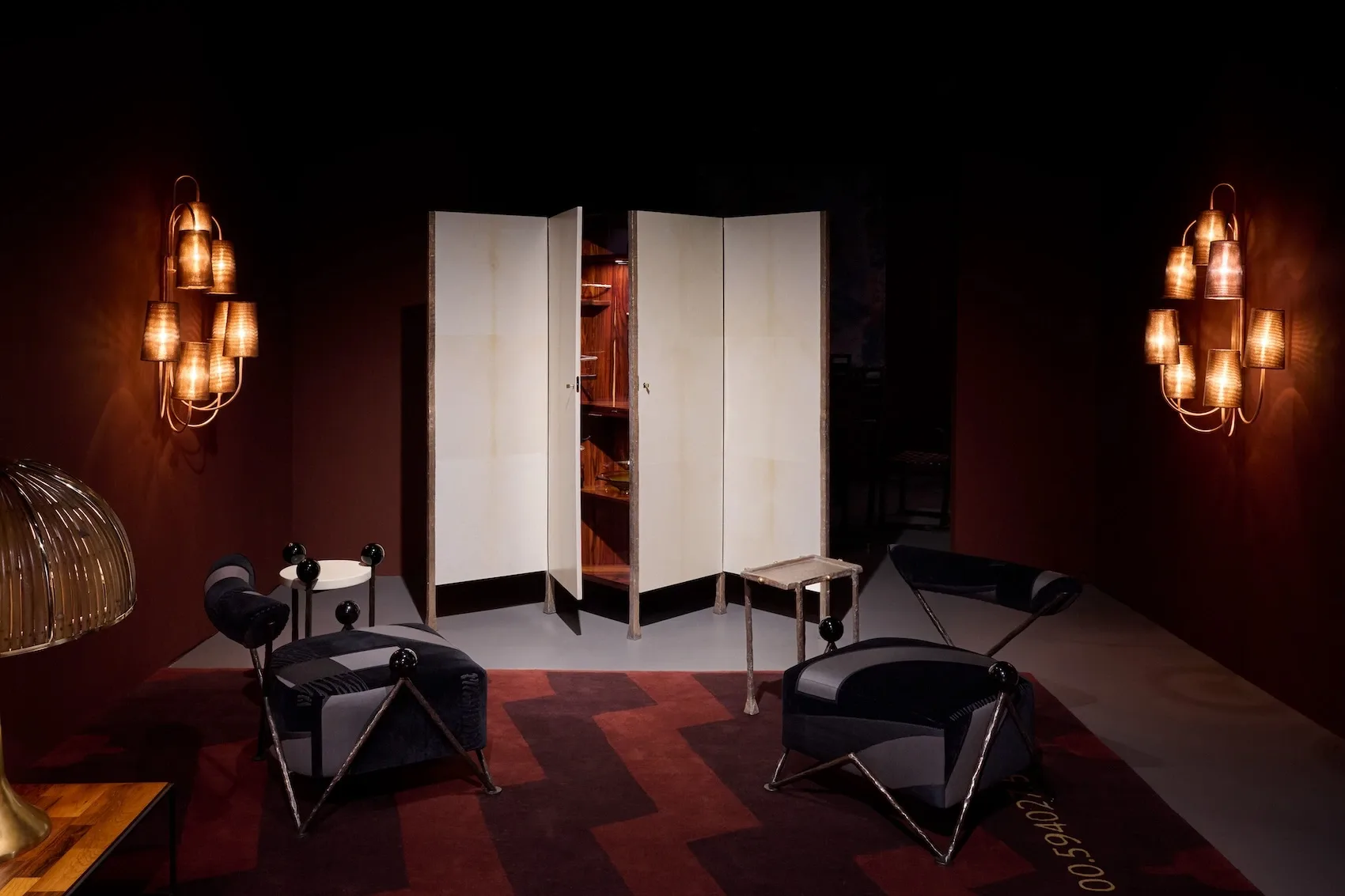
StudioDanielK for Nilufar. Photography by Filippo Pincolini
At Nilufar Gallery, Nina Yashar’s Le Pied-à-Terre Cosmopolite similarly embraced the language of the interior. Conceived as a compact Milanese apartment, the exhibition unfolded as a sequence of rooms that balanced vintage design with contemporary works.
Within this setting, Daniel Kolodziejczak of StudioDanielK presented a series of furniture pieces that reflect his background in jewelry design. His work, defined by a sensitivity to material and ornament, introduced parchment alongside mineral and metallic finishes, resulting in objects that fit between furniture and artifact. The pieces contributed to a broader narrative of domestic ritual, where collecting, hosting, and inhabiting space are treated as considered acts.
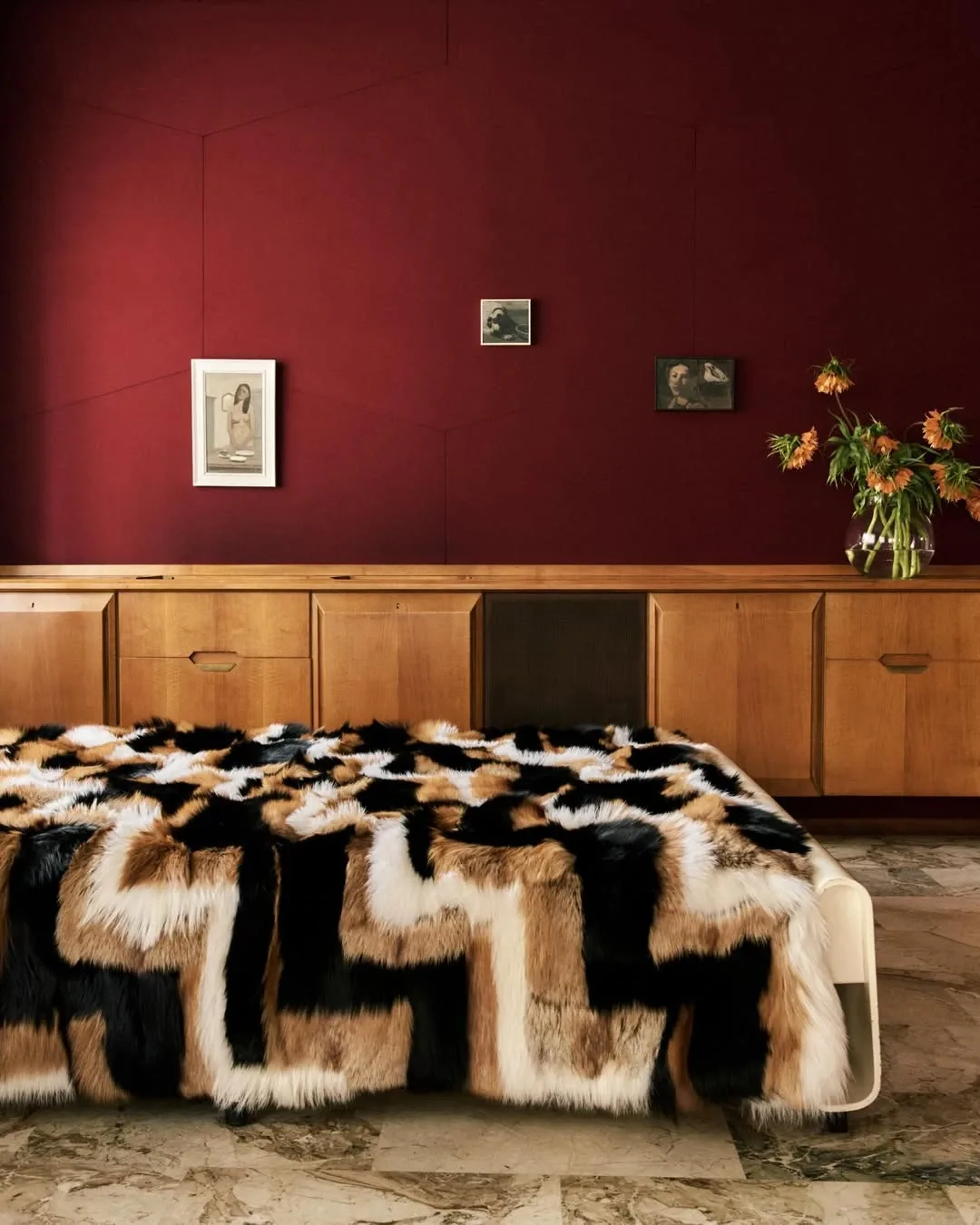
Photography by Matteo Verzini
An alternative interpretation of the home emerged at Casa Mascagni, where Yves Salomon Editions collaborated with Michael Bargo on a scenographic installation framed as a fictional residence. The exhibition combined archival furs with vintage furniture, from Frank Lloyd Wright to Paul Frankl and Eero Saarinen. The result was opulent and personal, but still grounded and lived-in, with a sense of how a Milanese might actually live.
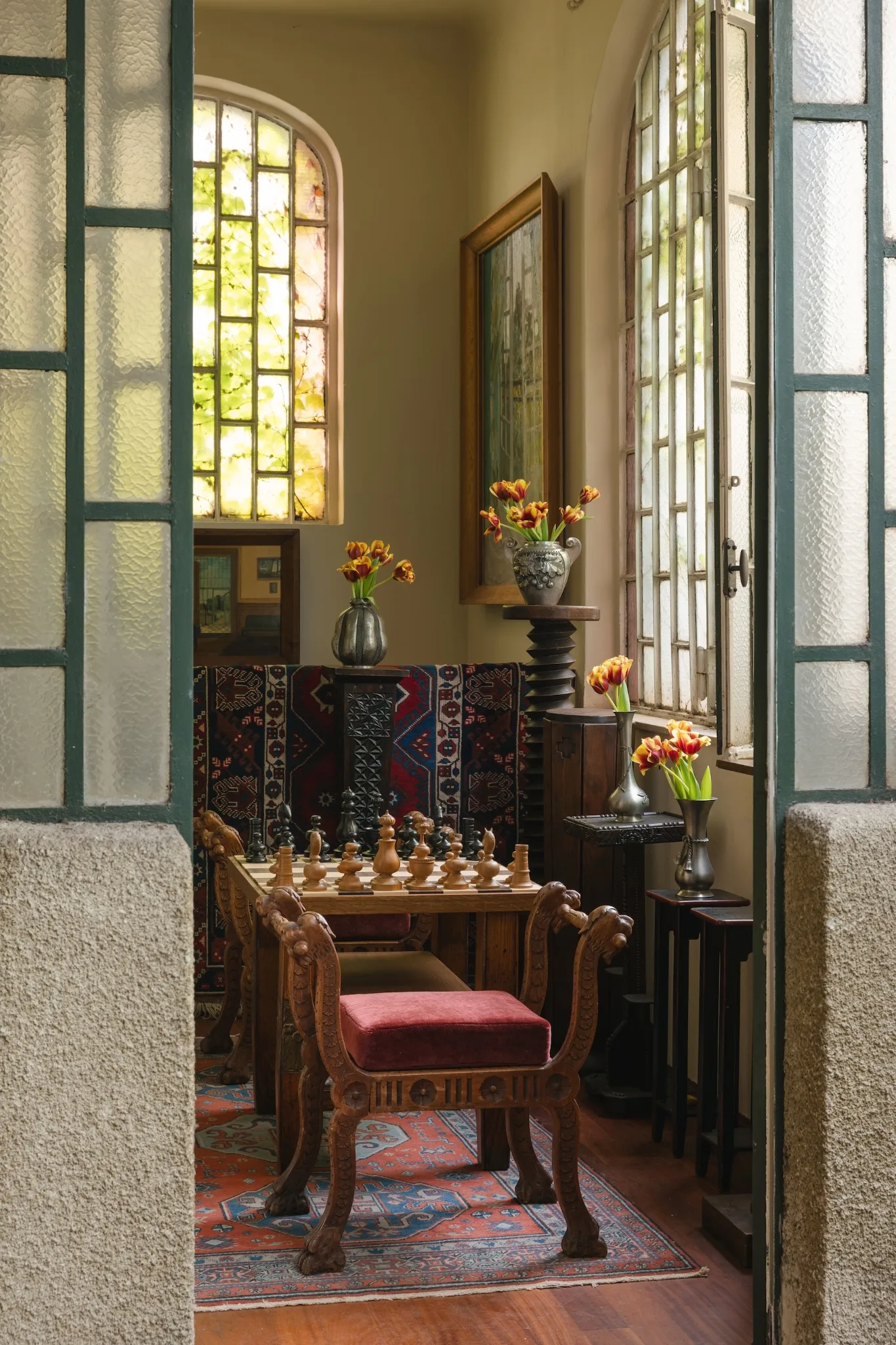
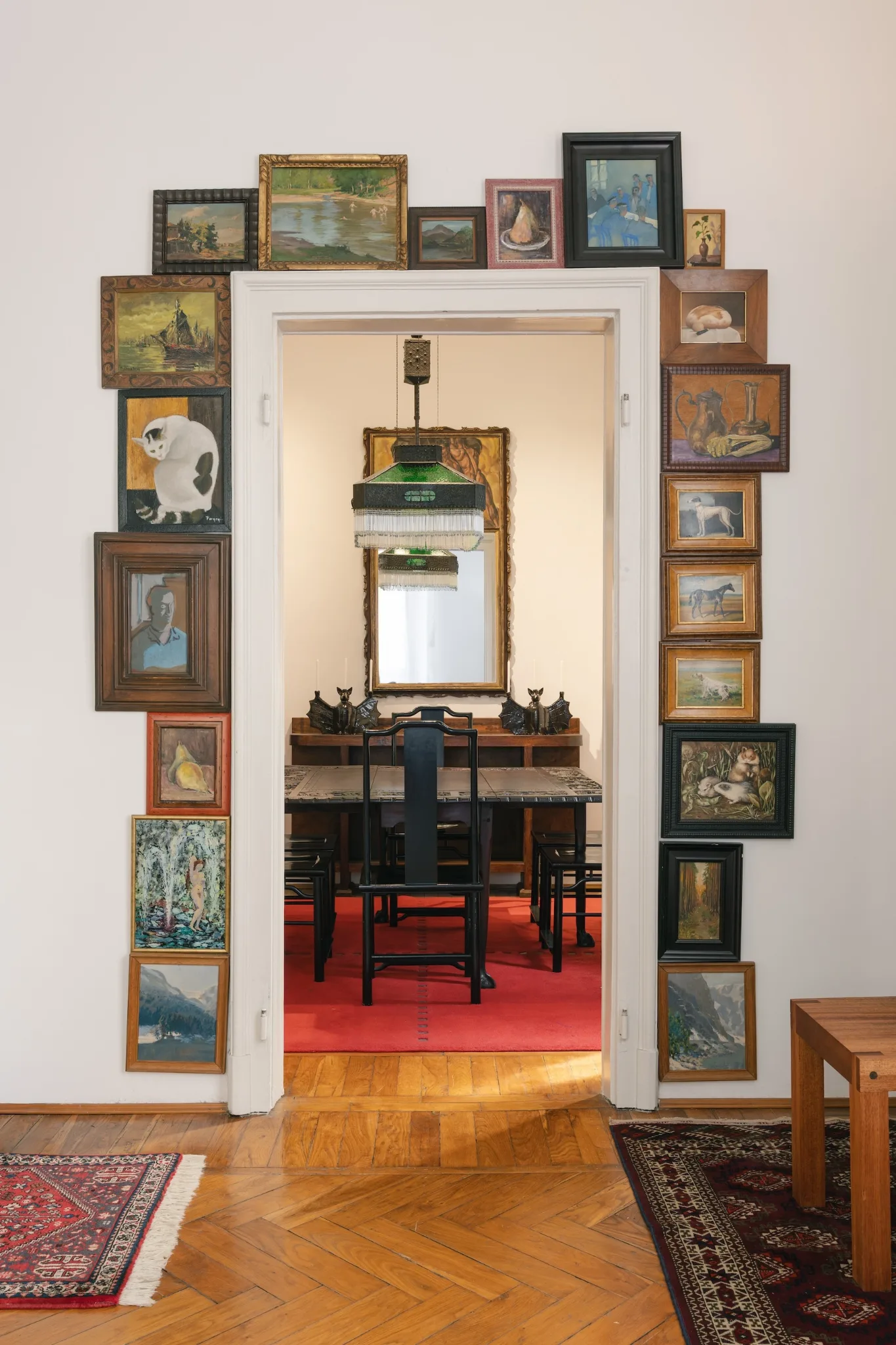
Photography by Antoine Billore
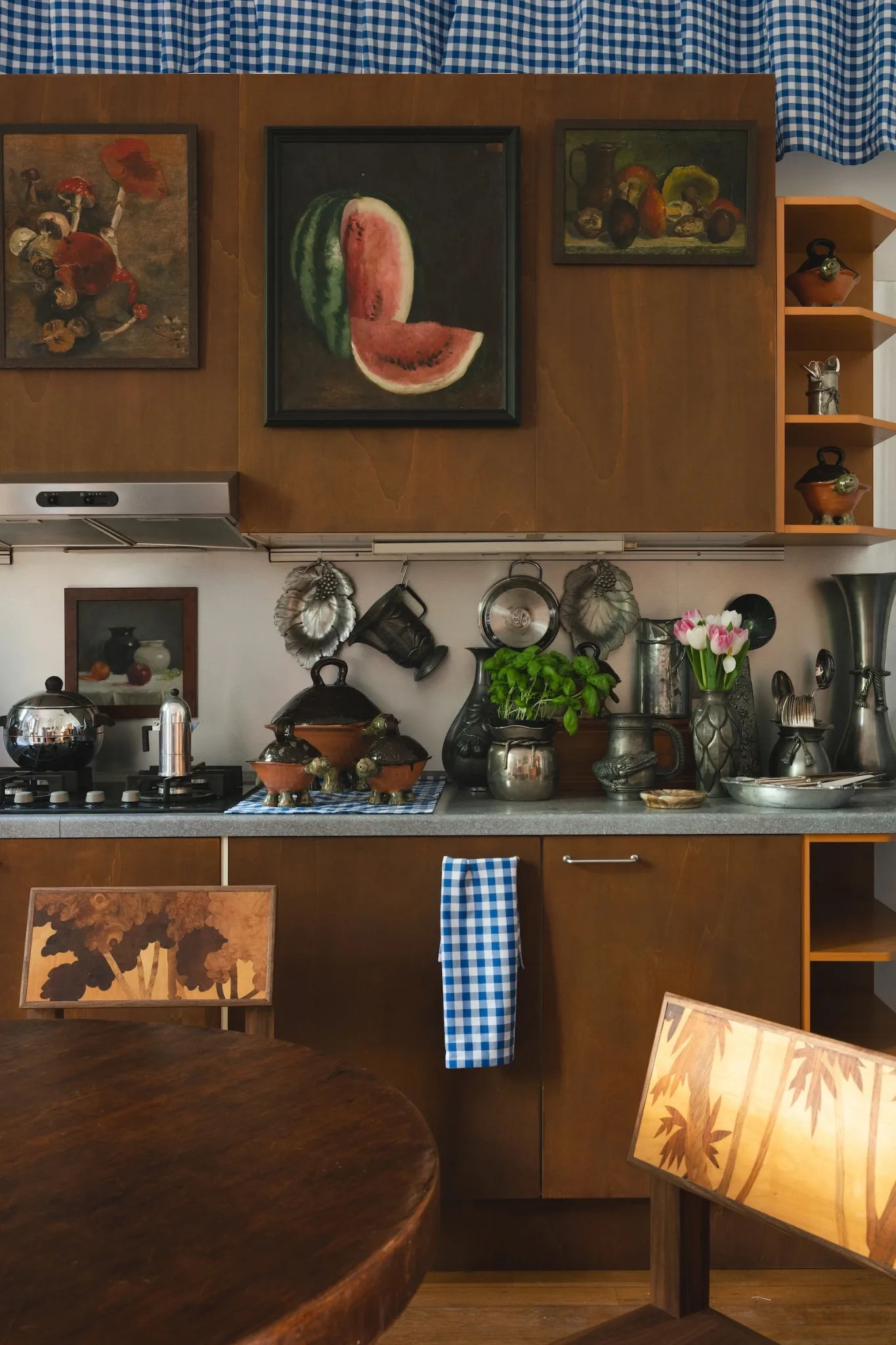
This idea of inhabitation extended to L’appartement by Antoine Billore for L’Artisan Parfumeur, which transformed a Milanese apartment into a highly idiosyncratic interior. In a time where interiors must have pieces with design authorship to be published, to see a project that was truly about tasteful instinct - an accumulation of objects guided by sentiment and juztopostion - felt extremely refreshing. Integrated with L’Artisan Parfumeur’s fragrances, the space became a layered, romantic, and sensory environment.
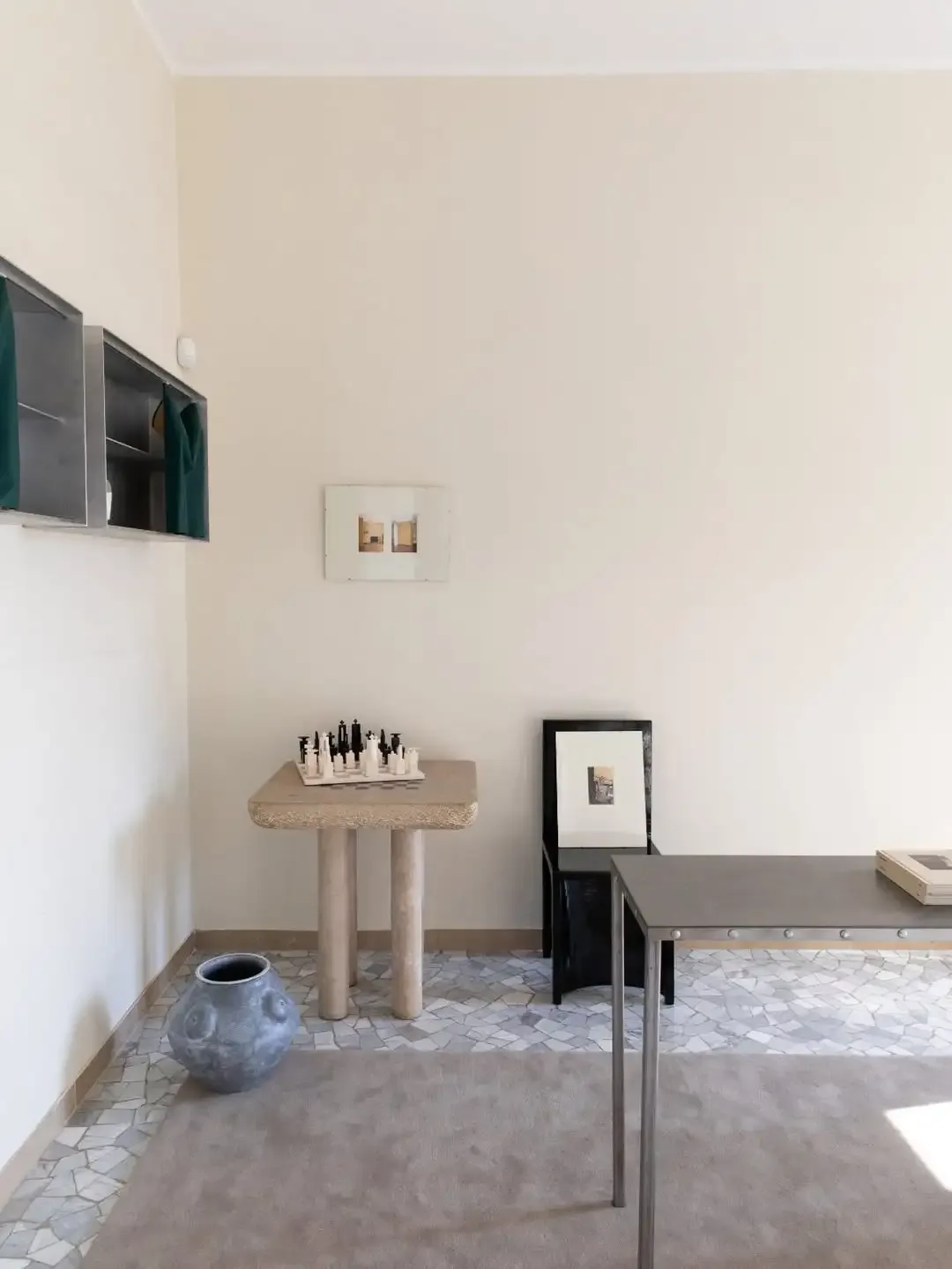
New works presented by Rooms Studio at CONVEY. Photography by Adrianna Glaviano
On the southern side of town, CONVEY BUILDING offered a more collective approach to residential environment. Organized by Simple Flair, the project transformed an entire building into a multi-floor exhibition, bringing together over twenty international brands within a single structure.
Each room operated as an individual environment, allowing studios to present their work in a more autonomous and immersive way. Moving through the building, visitors encountered a series of distinct spatial narratives, creating a sense of continuity through diversity. The format emphasized connection, positioning design as a relational practice rather than a purely visual one.
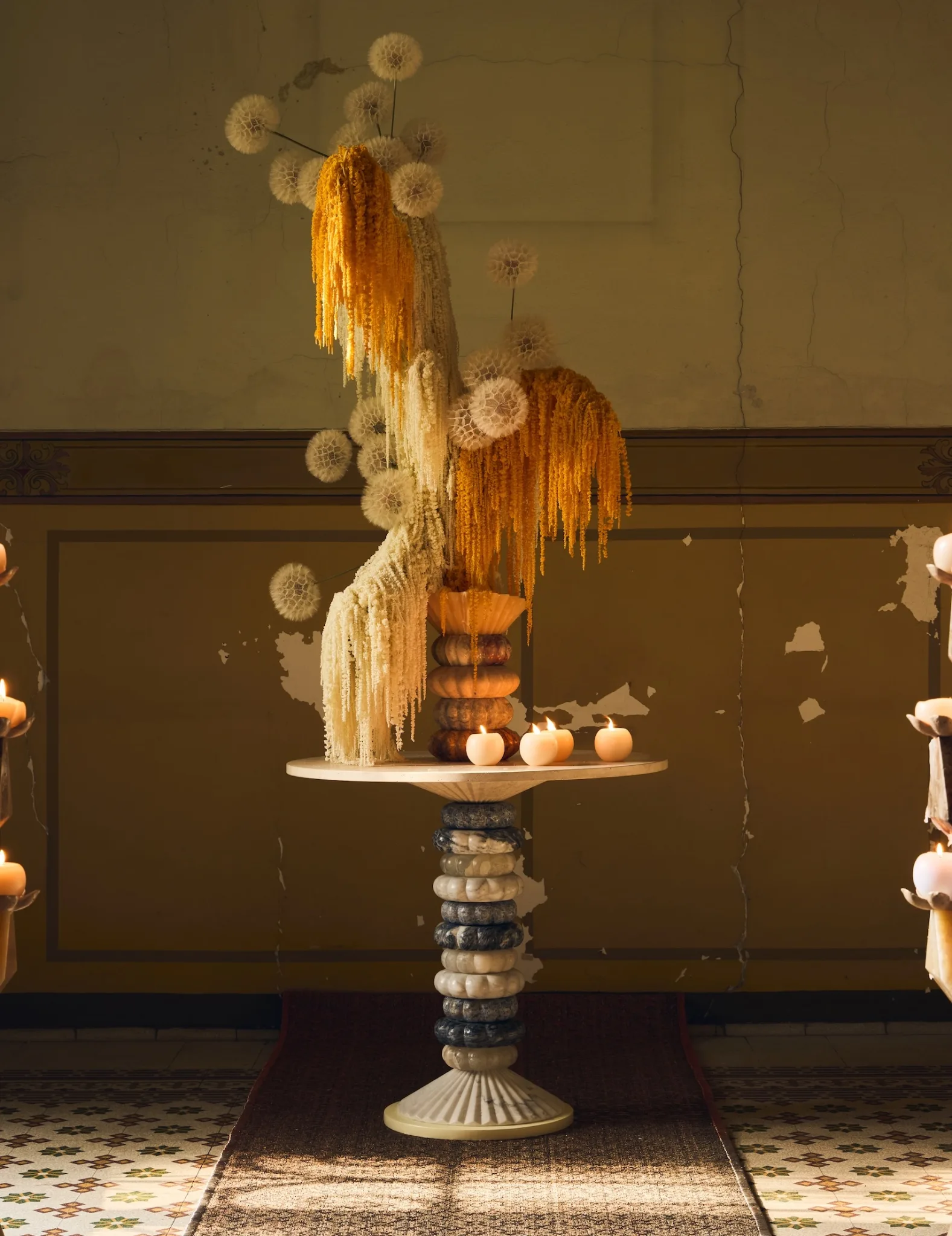
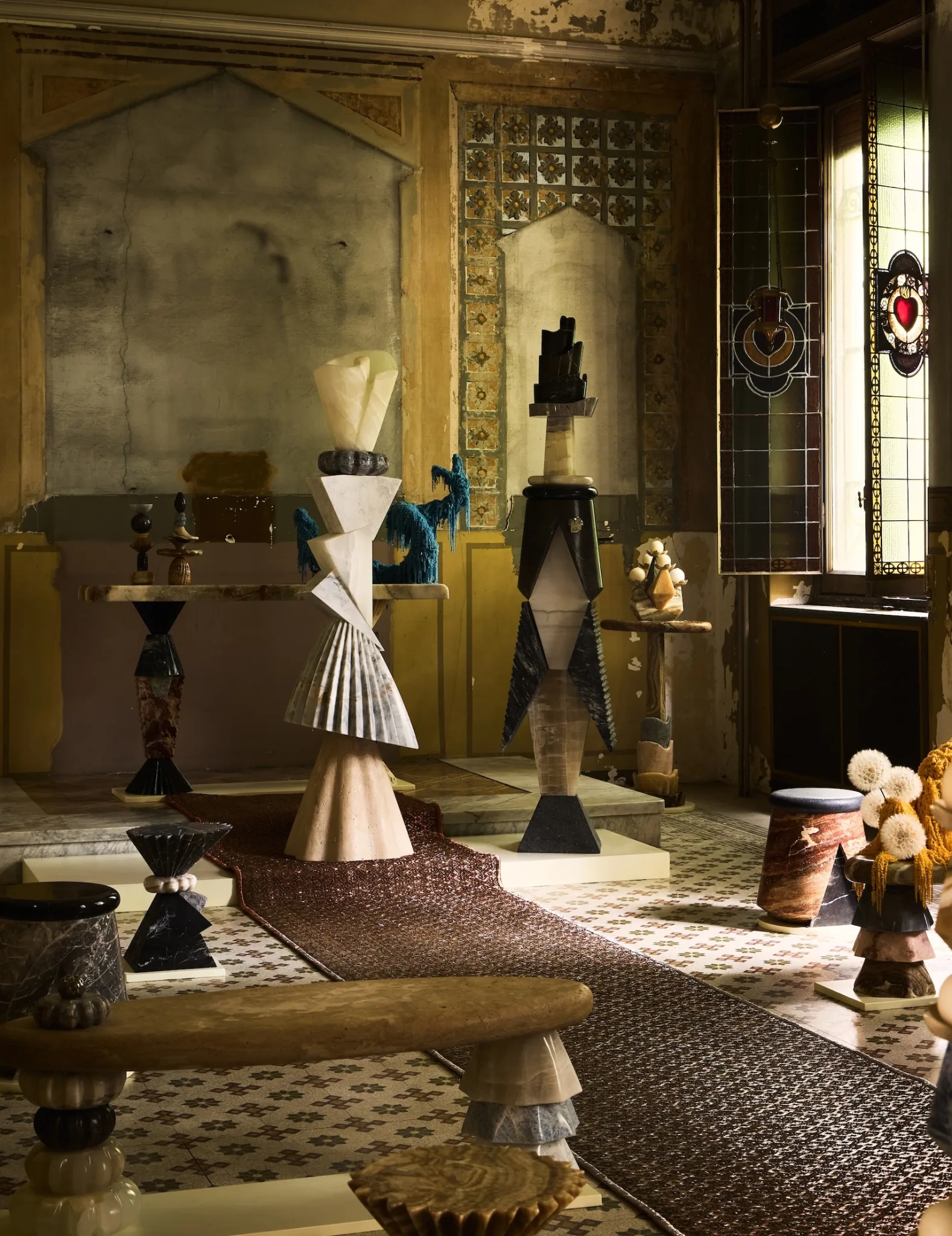
Sten Studio's The Wedding at Alcova 2026. Photo by Ramona Balaban
At Alcova, Sten Studio’s The Wedding offered one of the more conceptually driven installations of the week. Staged within an abandoned chapel, the project reimagined a ceremonial space through sculptural furniture and lighting.
Stone objects were arranged as participants in a symbolic ritual, with two central forms representing the bride and groom. Surrounding elements – stools, tables, and candleholders – acted as witnesses, while materials such as woven metal and floral interventions introduced additional layers of meaning. The installation translated a human moment into a spatial experience, exploring how objects can embody memory, emotion, and permanence.
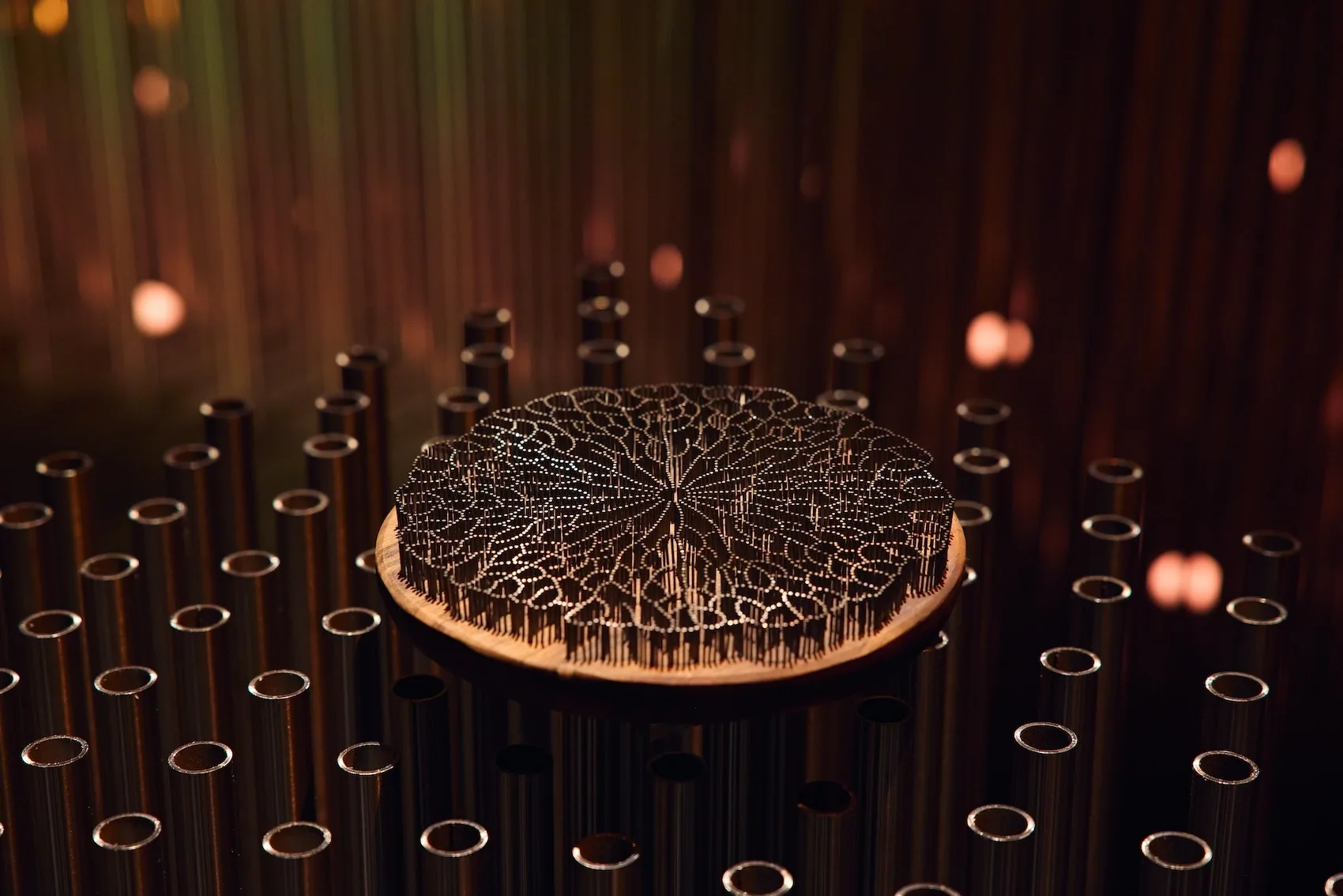
Commissioned work by Raw Edges for When Apricots Blossom. Image Credit ACDF
Among the most impactful exhibitions was When Apricots Blossom, presented by the Uzbekistan Art and Culture Development Foundation at Palazzo Citterio. Bringing together designers, artisans, and researchers, the exhibition focused on the Aral Sea region and the cultural practices of Karakalpakstan.
Through installations centered on bread-making, the project framed craft as heritage and as a living system of knowledge. Set against the backdrop of one of the world’s most severe environmental crises, the exhibition positioned design as a tool for cultural continuity and ecological awareness. Its strength lay in its ability to connect material practice with larger global narratives, offering a model for how design exhibitions can engage with issues beyond the discipline itself.
As Milan Design Week continues to grow in scale and visibility, there is a parallel movement toward smaller, more intentional experiences that prioritize material, narrative, and human connection over spectacle.
In a week defined by excess, these moments of intimacy offered a different perspective on what design can be: not just something to be seen, but something to be remembered.


