
There's a chair in my grandparents' living room that nobody wanted fifty years ago, and everybody wants now. It isn't comfortable by modern standards. It's made of teak wood and woven cane, low-slung, honest, unfussy. To most people who ask about my studio logo, it just looks like an unassuming mid-century chair. To me, it symbolizes a philosophy and foundation of why my business exists.
It's called the Chandigarh chair, or the Jeanneret chair, designed by my grandfather's mentor, for a city he spent years transforming from a pre-industrial village into a modern metropolis that stands as the first truly modern Indian city.
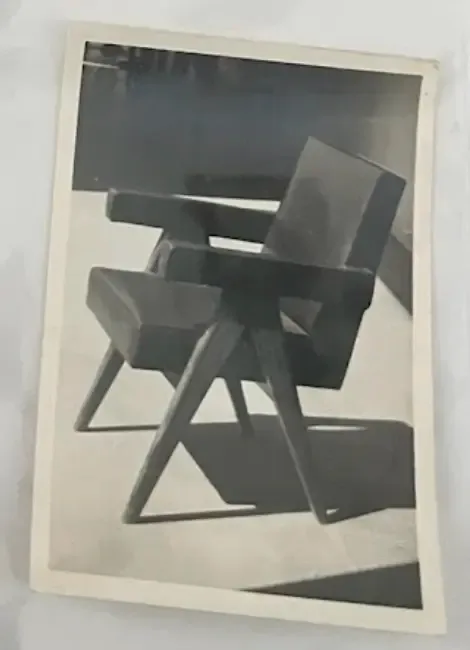
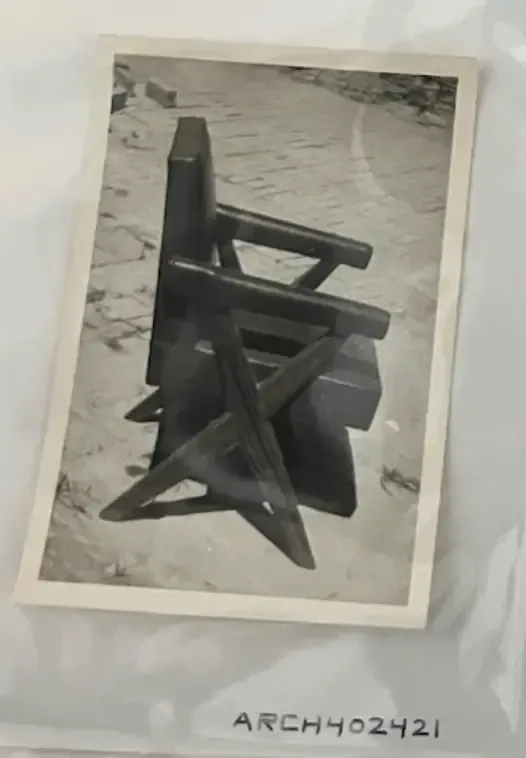
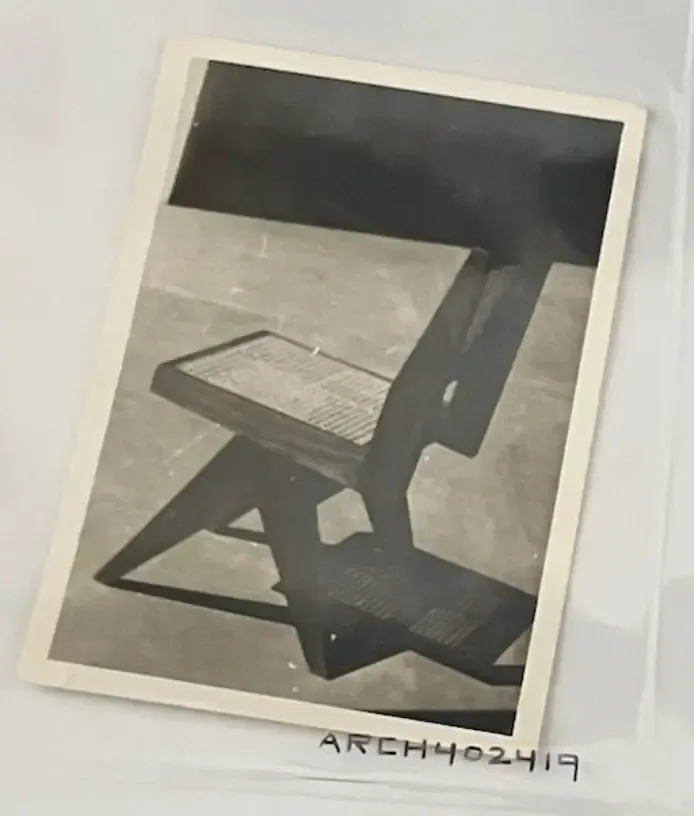
Photo credit, and cover: Archives of the Canadian Center for Architecture
A capital built from nothing
In 1951, in the aftermath of Partition, Prime Minister Nehru commissioned a new capital for the state of Punjab: Chandigarh, India's first fully planned city, meant to represent a modern, independent nation. Renowned Swiss architect Le Corbusier led the vision while Pierre Jeanneret, his cousin and creative partner, led the implementation. On the ground, a young architect with a camera always in tow, Jeet Malhotra, my grandfather, did the unglamorous work of translating grand modernist ideas into buildings that could survive brutal heat, monsoon humidity, and a tight post-Partition budget.
His name wasn't one Le Corbusier's biographers spent much time on. He was one of the Indian architects and engineers who did the actual building: low-cost housing for refugees, schools, the underlying planning grid, etc. His role also went beyond drafting tables. In fact, French photographer Lucien Hervé handled the project's early photography, but after Hervé's stay in Chandigarh ended, my grandfather took over documenting the rest of the project (Jeet Malhotra photography archived by the Canadian Center for Architecture). So alongside the buildings he helped design, there's also a visual record of an entire city being built that exists because he stayed behind the lens, watching his city take shape. He would later go on to become Chief Architect of Punjab.
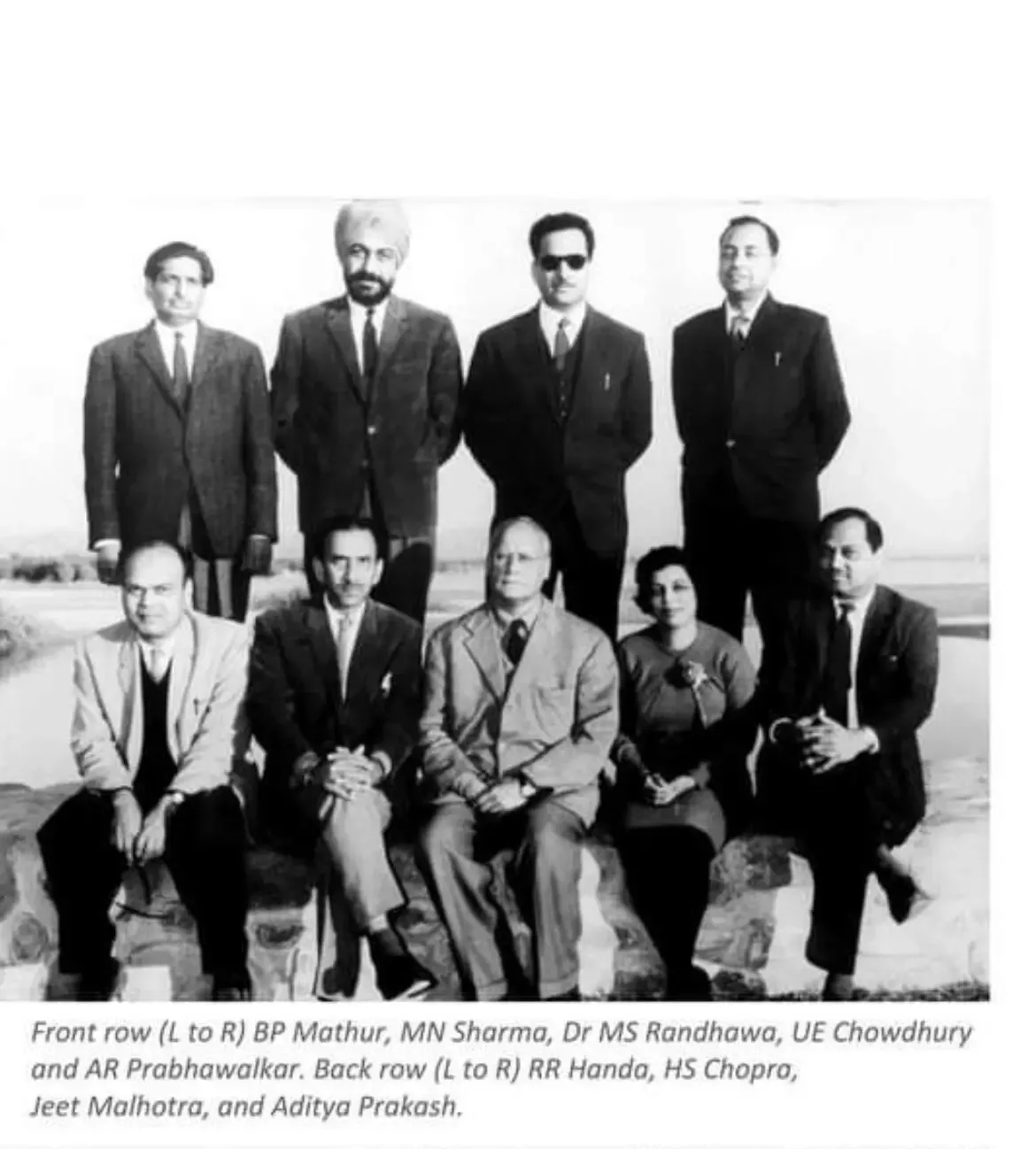
The Architectural team, from the personal archives of the author
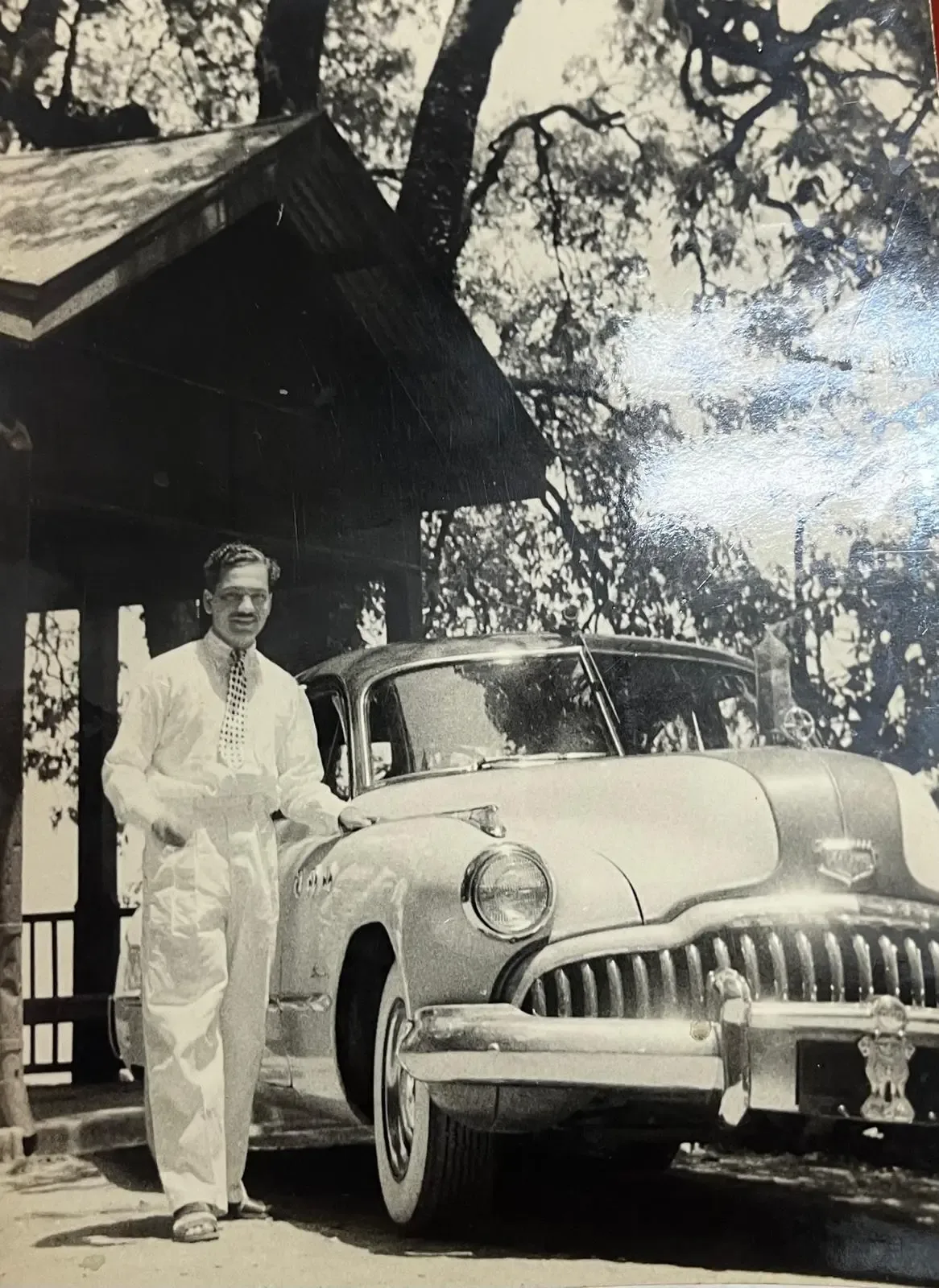
Jeet washing car: from the personal archives of the author
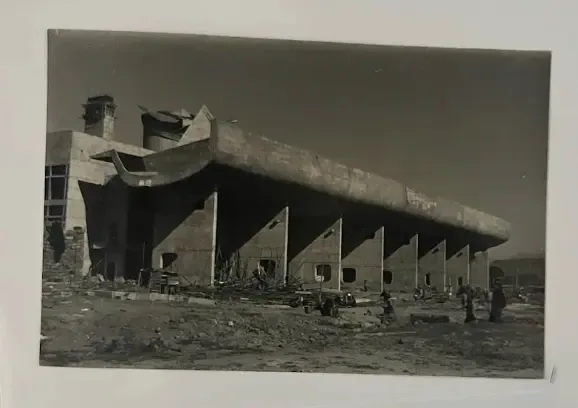
Credit: Archives of the Canadian Center for Architecture
Furniture born of necessity, not fashion
Jeanneret had to furnish an entire city, from government offices and university halls to private homes, using what was locally available in Punjab in the 1950s. Steel and imported hardwoods weren't realistic. Teak wood and cane, by contrast, were abundant materials that resisted insects and humidity better than most, and local craftsmen could work both without industrial machinery.
So Jeanneret designed a chair around what the region already had. It wasn't meant to be beautiful. It was meant to be a place of respite from the oppressive heat and dust for my ancestors building a modern India, or less poetically, low-cost seating for government offices, administrative buildings, universities, and schools. When tastes shifted, thousands were discarded or sold for almost nothing. It took until the 2000s for the design world to rediscover them and turn "the working man's chair" into one of the most sought-after pieces in mid-century collecting.
I think about that arc more than almost anything else in my design philosophy: something built purely to solve a problem, made from what was already on hand.
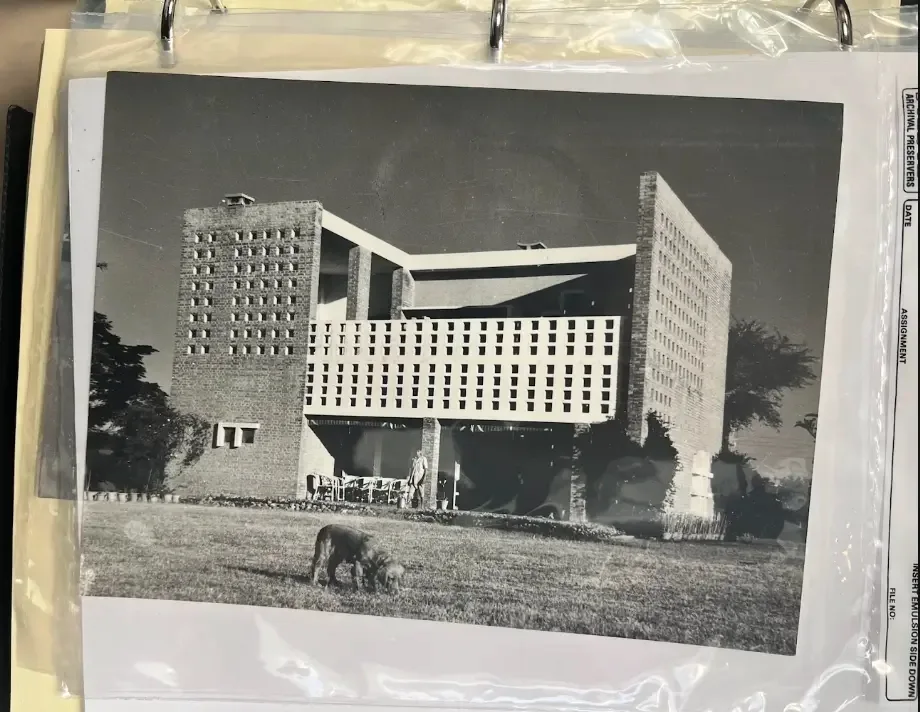
Archives of the Canadian Center for Architecture
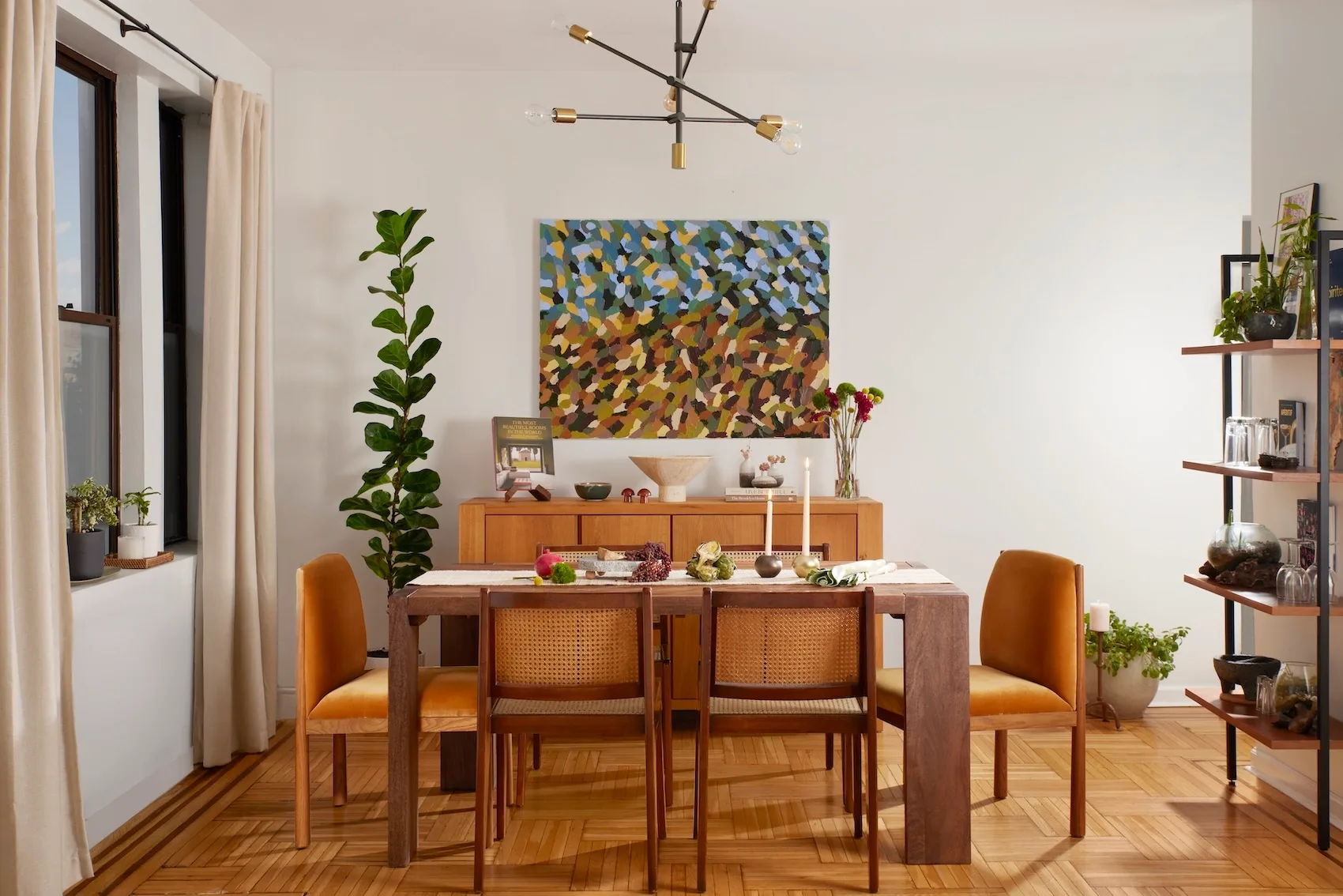
Credit: Gloria Kilbourne
Carpe Spatium: Seize your space
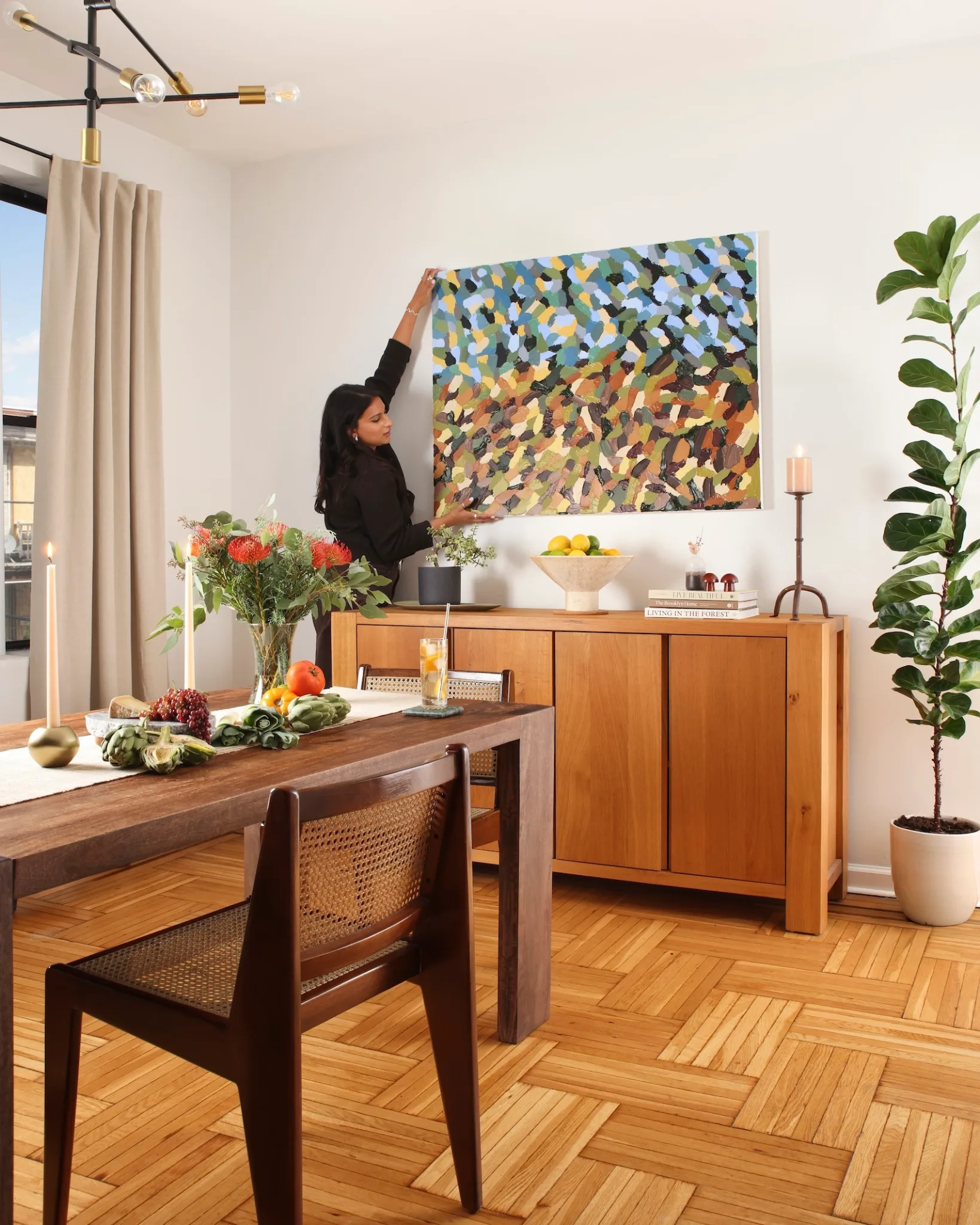
My interior design studio, teak & cane, is unlike others in that it is a largely renovation-free design practice. I curate, restyle, and rework spaces using vintage and existing pieces rather than gutting them.
People sometimes assume that's a purely aesthetic choice (a taste for old things over new). It isn't. Construction and demolition debris makes up somewhere between 30 and 40 percent of all solid waste generated worldwide and every gut renovation adds to that pile whether the bones underneath needed replacing or not. Before I started teak & cane, I got a master's in sustainability management from Columbia University and spent years working in the circular economy.
When I started this practice, I wanted that work to shape how I approach every room (hence our motto ‘carpe spatium,’ or seize your space). It's the same instinct my grandfather and Jeanneret had: work with what you have, respect what's already there, and build something that lasts. In practice, that means walking into a client's space and spotting what already works, then layering in vintage finds alongside a few new, well-chosen touches.
The Chandigarh chair sat in government offices and university halls for years, then was thrown out or sold off as taste changed. It wasn’t designed to be iconic. It became iconic anyway, decades later, because it was honest. The one in my grandparents’ living room has outlasted every trend that came and went around it, and so has what I learned from my grandfather’s work: the most lasting design rarely starts from scratch. It starts with paying attention to what’s already there.
Credit: Gloria Kilbourne
Sonia Kloeti is the founder and principal designer of teak & cane design studio, based in the Northeastern U.S. and working with clients across the country. Learn more at www.teakandcane.com or follow the studio on Instagram.


